

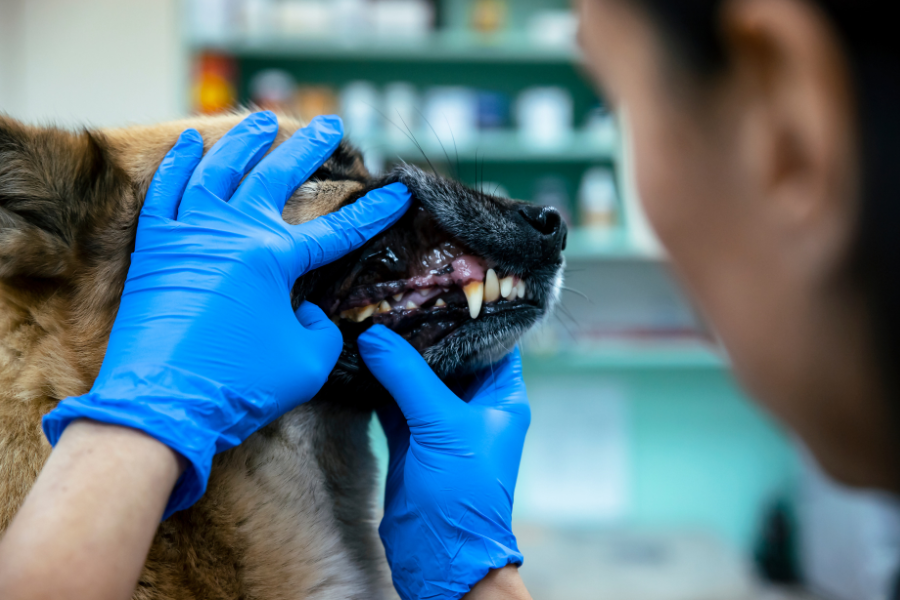
What Is Pet Insurance Dental Cover?
Pet insurance dental cover generally refers to insurance benefits that contribute towards eligible veterinary dental treatment.
However, dental cover can mean different things between policies. One insurer may cover accidental dental injuries, while another may include treatment for certain dental illnesses. Routine cleaning and preventative treatment may be handled separately.
When looking for pet insurance including dental cover, check exactly which treatments are included rather than relying on the word "dental" alone.
It can also help to understand the wider scope of your policy. Read our guide to what pet insurance covers here
Dental Illness vs Accidental Dental Injuries
One important distinction in pet dental insurance is why the dental treatment is required.
Dental illness
Dental illness develops because of disease or deterioration rather than a sudden accident. Examples may include:
- Periodontal disease
- Gingivitis
- Dental infections
- Diseased teeth requiring extraction
Whether these conditions are covered will depend on the individual policy and any applicable requirements, exclusions or benefit limits.
Accidental dental injuries
Dental injuries can also occur unexpectedly. A dog might fracture a tooth during an accident, for example.
Some pet insurance policies may treat accidental dental injuries differently from dental illnesses, so it's important to check how your insurer defines each category.
If you're unsure which category applies, ask your insurer before arranging non-urgent treatment where possible.
Does Any Pet Insurance Cover Dental Cleaning?
A common question is: does any pet insurance cover dental cleaning?
Routine dental cleaning is often considered preventative care rather than treatment for an unexpected illness or injury. This means it may not be covered by a standard accident and illness policy.
However, some policies or additional dental benefits may provide contributions towards eligible preventative dental care.
This distinction matters because a routine scale and polish for an otherwise healthy pet may be treated differently from a dental procedure required to manage diagnosed disease.
For practical information about preventative dental care, visit here.
What About Tooth Extractions?
Whether an extraction is covered depends largely on why the tooth needs to be removed.
For example, an extraction required following an eligible accidental injury may be assessed differently from one needed because of long-term dental disease.
Other factors may also affect eligibility, including:
- When symptoms first appeared
- Whether the condition was pre-existing
- Applicable waiting periods
- The type of dental cover selected
- Policy benefit limits
- Whether preventative dental requirements have been met
This is why it's best to check your policy before assuming a particular procedure will be covered.
You can learn more about how waiting periods work here.
What Is Usually Considered Preventative Dental Care?
Preventative dental care aims to keep teeth and gums healthy before significant problems develop.
It may include:
- Regular dental checks
- Professional cleaning
- Tooth brushing
- Dental diets or appropriate dental products
- Monitoring for early signs of gum disease
These expenses aren't automatically included in every pet insurance policy.
Even when preventative treatments aren't covered, they're still an important part of responsible pet care. Regular attention to dental health may help identify problems before they become more difficult to manage.
For more everyday dental care tips, read.
Cat owners can also read this.
What Is Dental 360?
For owners looking for additional dental protection, Pet-n-Sur offers Dental 360.
Dental 360 is designed to provide additional dental benefits alongside eligible Pet-n-Sur cover, helping owners manage certain dental care costs according to the applicable terms and conditions.
Because dental needs can range from preventative care to treatment for dental disease, having a dedicated dental option can provide broader support than relying solely on standard accident and illness benefits.
You can learn more about Dental 360, including current benefits, eligibility requirements, limits and stand-down periods, here.
Always review the current policy information before choosing cover so you understand exactly what applies to your pet.
Why Regular Dental Care Still Matters
Insurance is only one part of looking after your pet's teeth.
Regular home care can help support dental health and gives you an opportunity to notice changes such as:
- Persistent bad breath
- Red or bleeding gums
- Difficulty eating
- Dropping food
- Excessive drooling
- Loose or damaged teeth
- Pawing at the mouth
Bad breath, in particular, shouldn't always be dismissed as normal.
Learn about potential dental warning signs here.
Dog owners can also find practical brushing advice here.
For cats, see our guide to improving your cat's dental health.
What Should You Check Before Choosing Dental Insurance for Pets?
If dental care is important to you when comparing policies, don't simply ask whether an insurer offers pet insurance dental cover. Look at what that cover actually provides.
Check:
- Which dental illnesses are eligible
- Whether accidental dental injuries are covered
- Whether routine cleaning is included
- Annual or treatment-specific limits
- Excesses or co-payments
- Waiting or stand-down periods
- Pre-existing condition exclusions
- Dental examination requirements
- Any preventative care requirements
Taking a few minutes to review these details can make it much easier to understand what you can expect if your pet eventually needs treatment.
If you're unfamiliar with insurance costs generally, this guide may also help.
Finding the Right Cover for Your Pet
There isn't one form of pet dental insurance that's right for every animal. A young dog with healthy teeth may have very different needs from an older cat with an established dental history.
The important thing is to compare the actual benefits and exclusions rather than assuming all dental cover works in the same way.
Pet-n-Sur provides insurance options for both dogs and cats:
You can also find answers to common pet insurance questions here.
Understanding Your Dental Cover
So, does pet insurance cover dental treatment? Sometimes — but the details matter.
Dental illness, accidental injuries, routine cleaning and preventative care may all be treated differently under a policy. Before relying on cover, check the policy wording, limits, exclusions, waiting periods and eligibility requirements.
At Pet-n-Sur, we aim to make those details as straightforward as possible so owners can understand their options and make informed decisions about their pet's care.
And regardless of the cover you choose, regular dental checks and good home care remain some of the best ways to support healthy teeth and gums throughout your pet's life.
For more facts about pet dental care, visit here.