
Why Grooming Matters
Grooming helps remove dirt, loose hair and debris while supporting healthy skin and coat condition.
Regular grooming can also help owners spot:
- Lumps or bumps
- Skin irritation
- Parasites such as fleas
- Cuts or wounds
- Ear issues
- Changes in weight or body condition
Because you're spending focused time handling your pet, grooming can act as an informal health check.
Early detection often allows problems to be addressed before they become more serious.
Start Slowly and Keep It Positive
One of the biggest mistakes owners make is trying to do too much too quickly.
Not every dog or cat naturally enjoys being brushed, bathed or handled. If your pet is nervous, start with short sessions and build confidence gradually.
Helpful tips include:
- Keep sessions brief
- Offer treats and praise
- Choose a quiet environment
- Stay calm and patient
- Stop before your pet becomes overwhelmed
The goal is to create positive experiences rather than forcing your pet to tolerate grooming.
Dog Grooming at Home
Dog grooming doesn't need to be complicated.
For many dogs, a basic routine includes:
- Brushing
- Bathing when needed
- Nail checks
- Ear inspections
- Dental care
The exact routine will depend on your dog's breed, coat type and lifestyle.
Long-haired breeds generally require more frequent brushing than short-haired breeds.
How to Groom a Dog at Home
If you're wondering how to groom a dog at home, start with the basics.
Brushing
Brushing helps remove loose fur, dirt and tangles.
Depending on your dog's coat type, brushing may be needed:
- Daily
- Several times a week
- Weekly
Work gently and avoid pulling on knots.
If matting is severe, professional grooming may be the safest option.
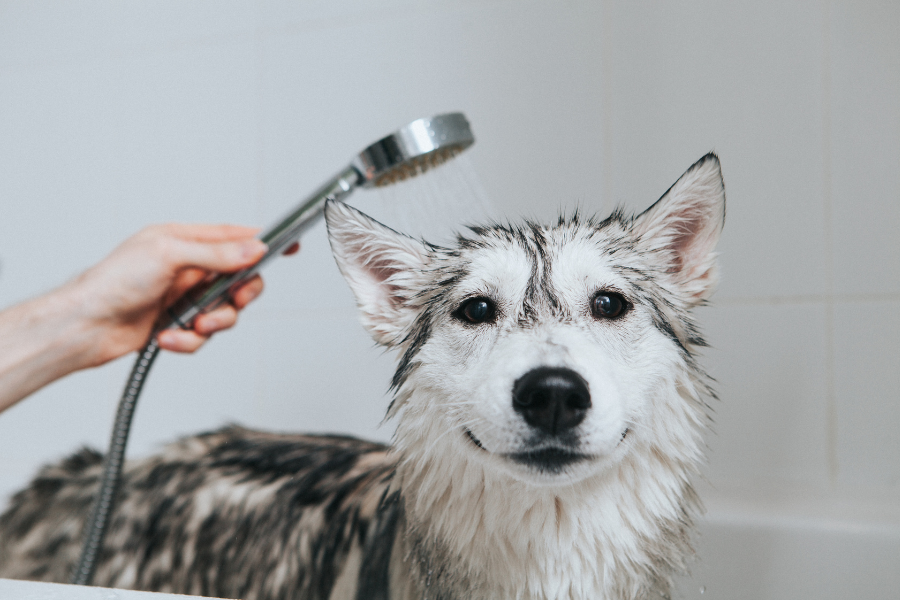
Bathing
Most dogs don't need frequent baths.
Bathing too often can strip natural oils from the skin and coat.
Use a dog-specific shampoo and rinse thoroughly.
For additional bathing tips, visit: https://www.petnsur.co.nz/blog/dog-washing/
Nail Checks
Long nails can affect movement and comfort.
If you're unsure about trimming nails yourself, ask your veterinarian or professional groomer for guidance.
Ear Checks
Look for:
- Redness
- Odour
- Excess wax
- Discharge
Healthy ears should be clean and free from strong smells.
How to Calm a Dog for Grooming
Many owners ask how to calm a dog for grooming, particularly if their dog dislikes brushing or bathing.
Some strategies that may help include:
- Exercising your dog beforehand
- Using treats and positive reinforcement
- Keeping sessions short
- Introducing grooming tools gradually
- Working at your dog's pace
Avoid punishment or forcing your dog through a stressful experience whenever possible.
If anxiety is severe, professional guidance may be beneficial.
Cat Grooming at Home
Many people assume cats handle all grooming themselves, but that's not always the case.
While cats are naturally excellent self-groomers, regular cat grooming can still provide important benefits.
This is especially true for:
- Long-haired breeds
- Senior cats
- Overweight cats
- Cats with medical conditions
Do Cats Need to Be Groomed?
A common question is: do cats need to be groomed?
The answer is yes, although the amount varies between individuals.
Regular grooming can help:
- Reduce loose hair
- Prevent matting
- Minimise hairballs
- Support skin health
- Strengthen the bond between owner and pet
It also gives owners an opportunity to check for changes in their cat's health.
How to Groom a Cat
If you're learning how to groom a cat, patience is key.
Many cats tolerate brushing better than bathing.
Brushing
Use a brush designed for your cat's coat type.
Start with short sessions and reward calm behaviour.
Pay particular attention to areas where mats commonly develop, such as:
- Under the legs
- Around the neck
- Along the belly
Checking Skin and Coat
While brushing, look for:
- Fleas
- Skin irritation
- Bald patches
- Lumps or bumps
Preventative parasite control remains an important part of grooming and health care.
Learn more about flea prevention here
Bathing
Most cats rarely need bathing unless they become particularly dirty or have a medical reason requiring it.
If a bath is necessary, this guide may help: https://www.petnsur.co.nz/blog/how-to-survive-giving-your-cat-a-bath/
For additional cat grooming advice, visit:
https://www.petnsur.co.nz/blog/tips-to-groom-your-cat-successfully/
Don't Forget Dental Care
Grooming isn't just about fur and skin.
Dental care plays an important role in your pet's overall wellbeing.
Poor dental health can contribute to:
- Bad breath
- Gum disease
- Tooth loss
- Pain and discomfort
Regular dental care can help reduce these risks.
Learn more about brushing your dog's teeth.
You can also read Pet-n-Sur's guide to pet dental care.
Know Your Limits
While home grooming is suitable for many routine tasks, there are times when professional help is the best option.
Consider seeking assistance if:
- Your pet becomes highly stressed
- Matting is severe
- Nail trimming feels unsafe
- Your pet shows signs of pain
- Skin issues are present
- Specialised clipping is required
There is no shame in using a professional groomer. Grooming should be safe and comfortable for both you and your pet.
Grooming as Preventative Care
One of the biggest benefits of regular grooming is the opportunity to notice changes early.
A few minutes spent brushing each week may help you identify:
- Skin conditions
- Ear problems
- Weight changes
- Parasites
- New lumps or bumps
These observations can be valuable when discussing concerns with your veterinarian.
Being prepared for minor injuries and emergencies is also helpful.
Pet-n-Sur's guide to building a pet first aid kit offers practical advice.
Small Grooming Habits Can Make a Big Difference
Whether you're learning how to groom your dog or becoming more confident with cat grooming at home, consistency matters more than perfection.
Short, regular grooming sessions can help maintain coat health, strengthen your bond with your pet and support early detection of potential health concerns.
At Pet-n-Sur, we believe preventative care starts with everyday habits. Grooming is one of the simplest ways owners can support their pet's health while spending quality time together.