
About the Siamese Cat Breed
The Siamese cat breed originated in Thailand, formerly known as Siam, and has a long history as a companion cat.
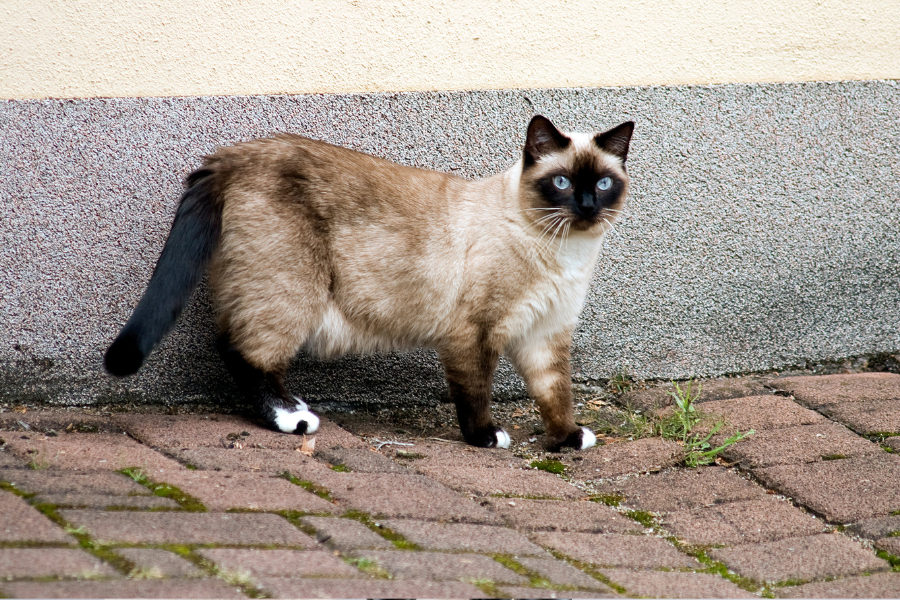
Traditional Siamese cats are known for their pale bodies and darker colouring, known as "points", around the face, ears, paws and tail. Common colour variations include seal, chocolate, blue and lilac point.
They typically have:
- Bright blue eyes
- Short, fine coats
- Slender, athletic bodies
- Long legs and tails
- Distinctive pointed colouring
Their short coat is relatively easy to maintain, but their personality often requires considerably more attention than their grooming routine.
Siamese Cat Personality and Temperament
The Siamese cat personality is one of the breed's defining characteristics. They are generally intelligent, curious and strongly attached to their people.
A typical Siamese cat temperament may include being:
- Affectionate and people-oriented
- Playful and energetic
- Intelligent and curious
- Confident and outgoing
- Highly vocal
- Social with people and other pets
Many Siamese cats enjoy following their owners around the house and being involved in everyday activities. They're also well known for "talking" to their families with a wide range of vocal sounds.
However, every cat is an individual. Genetics, early experiences, socialisation and environment can all influence behaviour.
If you'd like to understand individual feline personalities better, read Pet-n-Sur's guide to cat personality types.
You can also explore common feline behaviours here.
Do Siamese Cats Need Lots of Attention?
Generally, yes. Siamese cats are particularly social and may not suit households where they will regularly spend long periods alone without interaction.
They often enjoy:
- Interactive play
- Learning tricks
- Puzzle feeders
- Climbing and exploring
- Sitting near their owners
- Playing with compatible animal companions
Providing enrichment is especially important for indoor Siamese cats. Without enough stimulation, an intelligent and active cat may become bored or develop unwanted behaviours.
For practical enrichment ideas, see the article.
Feeding a Siamese Cat
A balanced diet is important throughout your Siamese cat's life.
The right amount of food will depend on factors including age, weight, activity level and health. Because indoor cats may be less active, portion sizes should be monitored to help maintain a healthy body condition.
Fresh water should always be available, and any significant changes in appetite, drinking habits or weight should be discussed with your vet.
For more information about feline nutrition, read Pet-n-Sur's cat diet guide.
Grooming and Everyday Care
One advantage of the Siamese cat breed is its relatively simple grooming requirements.
Their short coats usually benefit from weekly brushing to remove loose hair and maintain coat condition. Regular grooming is also a useful opportunity to check for lumps, skin changes or other unusual signs.
Everyday care should also include:
- Nail trimming when required
- Dental care
- Parasite prevention
- Regular litter tray monitoring
- Routine veterinary checks
Siamese Cat Health Problems
Siamese cats can live healthy lives, but like many pedigree breeds, they may have an increased risk of certain inherited or breed-associated conditions.
Potential Siamese cat health problems can include dental disease, respiratory conditions, eye problems and some heart or kidney conditions. Certain hereditary disorders may also occur within particular breeding lines.
This doesn't mean every Siamese cat will experience these problems. Choosing a responsible breeder who conducts appropriate health screening can help reduce the risk of inherited conditions.
Regular veterinary checks are also important because changes can sometimes be identified before obvious symptoms appear.
Learn what may be covered during your cat's annual check-up here.
Vaccinations and Preventative Healthcare
Routine preventative care is an important part of responsible Siamese ownership.
Your veterinarian can recommend an appropriate vaccination schedule based on your cat's age, lifestyle and individual risk factors.
Even indoor cats may require vaccination because some infectious diseases can be introduced indirectly or during vet visits, boarding or other situations outside the home.
Learn more about cat vaccinations here.
Dental checks, parasite prevention and weight monitoring should also form part of your cat's regular healthcare routine.
What Is the Average Siamese Cat Lifespan?
The Siamese cat lifespan is generally around 12–15 years, although some cats live well beyond this with good care.
Several factors can influence longevity, including:
- Genetics
- Nutrition
- Lifestyle
- Body weight
- Preventative healthcare
- Access to veterinary treatment
As your Siamese cat gets older, changes in behaviour, mobility, appetite or weight are worth discussing with your veterinarian rather than simply assuming they are part of ageing.
Are Siamese Cats Good Family Pets?
Siamese cats can make wonderful family companions when their needs and the household's lifestyle are compatible.
They may particularly suit people who want an interactive cat and have plenty of time for companionship and play.
Families should consider whether they can provide:
- Daily interaction
- Regular play and enrichment
- A stable home environment
- Routine veterinary care
- Long-term financial commitment
If you prefer a very independent cat that is comfortable spending substantial time alone, a Siamese may not be the best match.
If you're interested in another affectionate and people-focused breed, you may also enjoy Pet-n-Sur's Burmese cat guide.
Planning for Your Siamese Cat's Future
Bringing home any cat means committing to their care for many years.
Alongside everyday costs such as food, litter, vaccinations and routine vet visits, owners should also consider how they would manage an unexpected illness or injury.
Planning ahead can make veterinary decisions easier if something unexpected occurs. Some owners build an emergency savings fund, while others consider cat insurance as part of their financial planning.
Pet-n-Sur explains why arranging cover earlier in a cat's life can be worth considering here.
You can also learn more about Pet-n-Sur cat insurance here.
Is a Siamese Cat Right for You?
A Siamese cat can be an affectionate, intelligent and highly engaging companion. Their social nature is a major part of their appeal, but it also means they need owners who can provide plenty of interaction, enrichment and consistent care.
Before choosing any breed, consider more than appearance. Think about temperament, healthcare, daily routine and whether you can comfortably meet the cat's needs throughout its life.
With the right environment, preventative care and plenty of companionship, a Siamese cat can become a much-loved member of the family for many years.