
What Is a Pug Like?
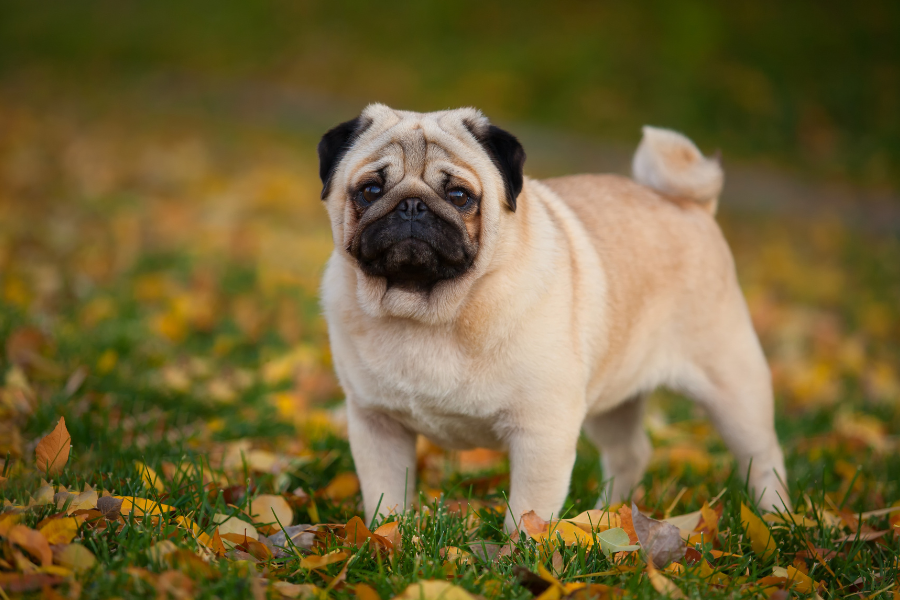
The Pug is a small, sturdy dog recognised by its wrinkled face, curled tail and expressive eyes. Adults generally weigh around 6–8kg, although individual dogs vary.
Originally bred as companion dogs, Pugs tend to enjoy being close to their owners. They can adapt well to different households, including smaller homes, provided their exercise and enrichment needs are met.
Their short coat is relatively easy to maintain, although Pugs can shed more than their coat length might suggest. Regular brushing can help manage loose hair.
Pug Personality and Temperament
The typical Pug personality is affectionate, sociable and playful. Many Pugs enjoy attention and are happiest when they're included in family activities.
Common Pug temperament traits include:
- Affectionate and people-focused
- Playful and curious
- Generally sociable
- Food motivated
- Adaptable to different lifestyles
- Occasionally stubborn
Because Pugs often respond well to food and praise, positive reinforcement can make training enjoyable. Keeping sessions short and consistent can also help maintain their attention.
For more practical advice, read Pet-n-Sur's guide to basic dog training tips.
Early socialisation is equally valuable for helping your Pug feel comfortable around different people, animals and environments.
How Much Exercise Does a Pug Need?
Pugs need regular exercise, but their activity should be appropriate for their size, fitness and breathing ability.
Daily walks, gentle games and indoor enrichment can help support a healthy weight and provide mental stimulation.
However, very intense exercise and activity in hot weather may not be suitable.
Pugs are one of several brachycephalic dogs, meaning they have a shortened skull and flatter facial structure. This can make it harder for some individuals to regulate their temperature and breathe efficiently, particularly during strenuous exercise or warm weather.
Exercise during cooler parts of the day and watch for signs that your dog needs a break.
Learn more about how much exercise your dog needs here.
Caring for a Flat-Faced Dog
Being a brachycephalic breed doesn't automatically mean a Pug will experience serious health problems. However, their facial structure does mean owners should be aware of their individual breathing and heat tolerance.
Pay attention to:
- Noisy or difficult breathing
- Reduced tolerance for exercise
- Excessive panting
- Difficulty settling after activity
- Struggling in warm weather
If you notice changes in your Pug's breathing or exercise tolerance, speak with your vet.
Pet-n-Sur has more practical advice on caring for a flat-faced dog here.
Common Pug Health Problems
Not every Pug will develop health concerns, but knowing about common Pug health problems can help owners recognise changes sooner.
Breathing Issues
Some Pugs experience brachycephalic obstructive airway syndrome (BOAS), which can affect airflow. The severity varies considerably between individual dogs.
Routine veterinary checks can help monitor breathing and determine whether further assessment is needed.
Eye Problems
A Pug's large, prominent eyes are part of the breed's distinctive appearance, but they can also be more exposed to scratches, irritation and injury.
Squinting, excessive tearing, redness, cloudiness or rubbing at the eye should be checked by a vet.
Skin Fold Problems
Moisture and debris can collect inside facial folds, potentially leading to irritation or infection.
Regularly checking and gently cleaning skin folds can help keep them comfortable. Ask your vet for advice if you notice redness, odour or discharge.
Joint and Mobility Issues
Like many breeds, Pugs can experience joint or mobility problems. Watch for changes such as stiffness, limping or reluctance to jump or use stairs.
Recognising discomfort early can make it easier to investigate the cause.
Read more about signs your dog may be in pain here.
For a closer look at breed-specific concerns, see our guide to common health issues with Pugs.
Weight Management Is Particularly Important
Maintaining a healthy weight is one of the most practical things owners can do to support a Pug's wellbeing.
Extra weight can place additional pressure on joints and may make exercise and breathing more difficult.
Helpful habits include:
- Measuring meals
- Limiting high-calorie treats
- Providing regular, appropriate exercise
- Monitoring body condition
- Discussing weight changes with your vet
Not sure whether your Pug is carrying extra weight? Read our guide to checking if your dog is overweight.
Feeding Your Pug
A balanced diet should match your Pug's age, activity level and individual health needs.
Because Pugs can be enthusiastic about food, portion control is important. Treats should be considered part of their overall daily intake rather than an unlimited extra.
Quality nutrition supports healthy body condition, skin, coat and general wellbeing.
Learn more about good pet nutrition here.
What Is the Average Pug Lifespan?
The Pug lifespan is commonly around 12–15 years, although individual lifespan varies according to genetics, lifestyle, healthcare and other factors.
Supporting your Pug throughout their life means staying consistent with preventative care, including:
- Routine veterinary checks
- Vaccinations and parasite prevention
- Dental care
- Healthy weight management
- Appropriate exercise
- Regular skin, eye and ear checks
Getting to know what's normal for your individual dog also makes it easier to spot changes early.
For more information about health conditions that can affect dogs generally, visit here.
Is a Pug Dog Right for You?
A Pug can be a wonderful companion for someone looking for an affectionate dog that enjoys plenty of human company.
Before bringing one home, consider whether you can provide the ongoing attention, preventative care and health monitoring the breed needs. Prospective owners should also research responsible breeders or reputable rescue organisations and avoid choosing a dog based on appearance alone.
Routine care can help support long-term wellbeing, but unexpected illnesses and injuries can still occur. Planning ahead for veterinary expenses is another practical part of responsible pet ownership.
Pet-n-Sur offers dog insurance options designed to help owners prepare for unexpected veterinary costs. Learn more here.
With appropriate exercise, healthy weight management, regular veterinary care and plenty of companionship, a Pug dog can enjoy a happy and fulfilling life as a much-loved member of the family.