
Why Dogs Often Hide Pain
Many owners expect pain to look dramatic, but that's not always the case.
Dogs frequently mask discomfort until it becomes difficult to ignore. In some cases, the only signs may be changes in behaviour that develop gradually over time.
This is why owners are often the first to notice a problem. You know your dog's normal habits better than anyone else.
If you ever find yourself wondering, "Is my dog in pain?", it's worth paying attention to that instinct.
Subtle changes are often worth investigating, especially if they persist.
Signs My Dog Is in Pain: Behaviour Changes
One of the earliest indicators of discomfort is often a change in behaviour.
A dog experiencing pain may become:
- Quieter than usual
- Less interested in play
- More withdrawn
- Irritable when touched
- Less enthusiastic about walks
- More clingy than normal
- Reluctant to interact
Some dogs may seek extra comfort and attention, while others prefer to be left alone.
The key is noticing what is different for your individual dog.
Understanding your dog's body language can also help identify discomfort before it becomes more serious.
Learn more here.
Changes in Movement
Pain often affects the way a dog moves.
While obvious limping is easy to spot, some signs are much more subtle.
Watch for:
- Slower movement
- Difficulty getting up
- Hesitation when climbing stairs
- Reluctance to jump onto furniture
- Stiffness after resting
- Shortened strides
- Sitting or lying down more frequently
These changes are sometimes mistaken for normal ageing, particularly in older dogs.
However, discomfort is not an inevitable part of getting older, and many conditions can be managed effectively when identified early.
Learn more about lameness in dogs.
Changes in Eating and Drinking Habits
A dog in pain may eat less than usual or show less enthusiasm for meals.
Signs may include:
- Reduced appetite
- Difficulty chewing
- Dropping food
- Increased water consumption
- Decreased water consumption
Dental pain, digestive discomfort and various health conditions can all affect eating behaviour.
Even subtle changes are worth monitoring if they continue for more than a day or two.
Sleeping More Than Usual
Many dogs spend a large portion of the day resting, but a noticeable increase in sleeping can sometimes indicate discomfort.
A dog in pain may:
- Sleep longer than normal
- Struggle to get comfortable
- Change sleeping locations
- Wake frequently
- Avoid favourite resting spots
While increased sleep can simply reflect age or routine changes, it can also be an important clue when combined with other symptoms.
For older pets, understanding age-related changes can be particularly helpful.
Read more about caring for a senior dog.
Facial Expressions Can Reveal Pain
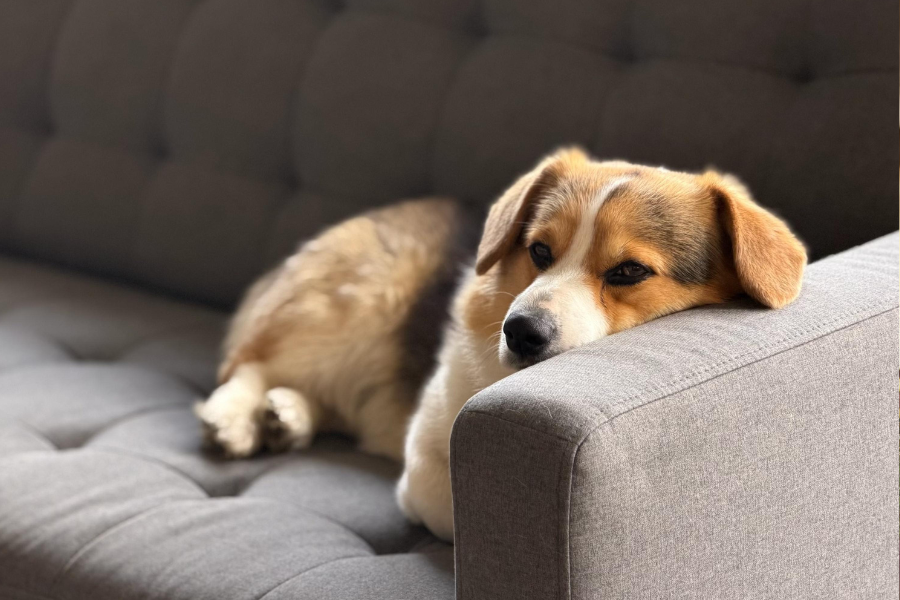
Many owners are surprised to learn that dogs often communicate discomfort through subtle facial changes.
Possible signs include:
- Squinting
- Tense facial muscles
- Pinned-back ears
- Furrowed brow
- Less eye contact
- A worried or withdrawn expression
These changes can be easy to miss because they often develop gradually.
Taking photos or videos over time can sometimes help owners spot differences they may not notice day-to-day.
Excessive Licking or Grooming
Dogs often lick areas that feel painful or uncomfortable.
Pay attention if your dog suddenly begins:
- Licking a paw repeatedly
- Chewing at a leg
- Grooming one area excessively
- Scratching more than usual
This may indicate pain, irritation or an underlying medical issue.
For example, persistent ear discomfort can cause dogs to scratch or rub their heads frequently.
Learn more about itchy ears in dogs.
Digestive Changes Can Sometimes Signal Discomfort
Pain isn't always linked to muscles or joints.
Digestive discomfort can also affect behaviour and wellbeing.
Signs may include:
- Restlessness
- Reduced appetite
- Changes in toileting habits
- Straining
- Lethargy
Constipation, gastrointestinal upset and other digestive conditions can all contribute to discomfort.
Learn more about dog constipation.
Common Causes of Pain in Dogs
There are many possible reasons a dog may experience pain.
Some of the more common causes include:
- Arthritis
- Joint disease
- Dental problems
- Injuries
- Ear infections
- Digestive issues
- Skin conditions
- Muscle strains
- Age-related conditions
Many of these conditions develop gradually, making early recognition particularly important.
Pet-n-Sur's guide to common dog health issues provides additional information about conditions owners should be aware of.
Pain Relief for Dogs: What Should Owners Do?
If you suspect your dog may be uncomfortable, the safest first step is to contact your veterinarian.
Your vet can identify the underlying cause and recommend appropriate treatment.
Pain relief for dogs should always be guided by professional advice.
It is important not to give human medications unless specifically instructed by your veterinarian.
Many medications commonly used by people can be harmful or even toxic to dogs.
Are There Safe Home Remedies for Dog Pain?
Many owners search for home remedies for dog pain, hoping to help their pet feel more comfortable.
While some supportive measures may help, they should not replace veterinary advice when pain is suspected.
Simple ways to support comfort may include:
- Providing a soft resting area
- Reducing strenuous exercise
- Keeping routines calm and predictable
- Preventing slips and falls
- Maintaining a healthy body weight
However, home remedies are not a substitute for diagnosis and treatment.
If discomfort persists or worsens, veterinary assessment is important.
Trust Your Instincts
One of the most valuable tools any owner has is familiarity with their dog.
You know their normal habits, personality and routines better than anyone else.
If something feels different, even if you can't immediately explain why, it's worth paying attention.
Many owners identify health problems early simply because they noticed a small change that didn't seem quite right.
Early intervention often leads to more treatment options and can help prevent minor issues from becoming more serious.
Being Prepared for the Unexpected
While no owner wants to think about emergencies, planning ahead can make unexpected situations easier to manage.
Routine veterinary care, preventative health checks and financial preparedness all play an important role in supporting a dog's long-term wellbeing.
It's also worth remembering that some health issues can arise suddenly, even in otherwise healthy dogs.
Owners who understand their pet's normal behaviour are often best placed to recognise when something needs attention.
For example, preventing accidental poisoning is another important part of reducing avoidable health emergencies.
Learn more about foods not safe for dogs.
Small Changes Can Tell You a Lot
Learning how to tell if your dog is in pain isn't about looking for dramatic symptoms. More often, it's about recognising subtle changes in movement, behaviour, appetite or routine.
The earlier discomfort is identified, the sooner your dog can receive the support they need.
At Pet-n-Sur, we believe informed owners make confident decisions. Through preventative care, regular veterinary attention and a good understanding of your dog's normal behaviour, you can help support a healthier and happier life for your canine companion.
Learn more about Pet-n-Sur dog insurance.