Why Pet Nutrition Matters
Nutrition affects far more than just your pet’s weight. A balanced diet helps support:
- Healthy skin and coat
- Muscle development
- Joint health
- Digestion
- Immune function
- Energy levels
- Brain function
- Dental health
Good nutrition can also contribute to preventative care by helping pets maintain healthy body condition and supporting their overall resilience as they age.
While nutrition alone cannot prevent every illness or condition, it forms an important foundation for long-term wellbeing.
At Pet-n-Sur, we believe that informed, practical care plays a key role in helping pets live healthier and happier lives.
Understanding Pet Food Nutrition
When choosing pet food, it’s easy to feel overwhelmed by labels and marketing claims. However, understanding a few basic principles of pet food nutrition can make decisions much simpler.
Balanced Nutrition Is Key
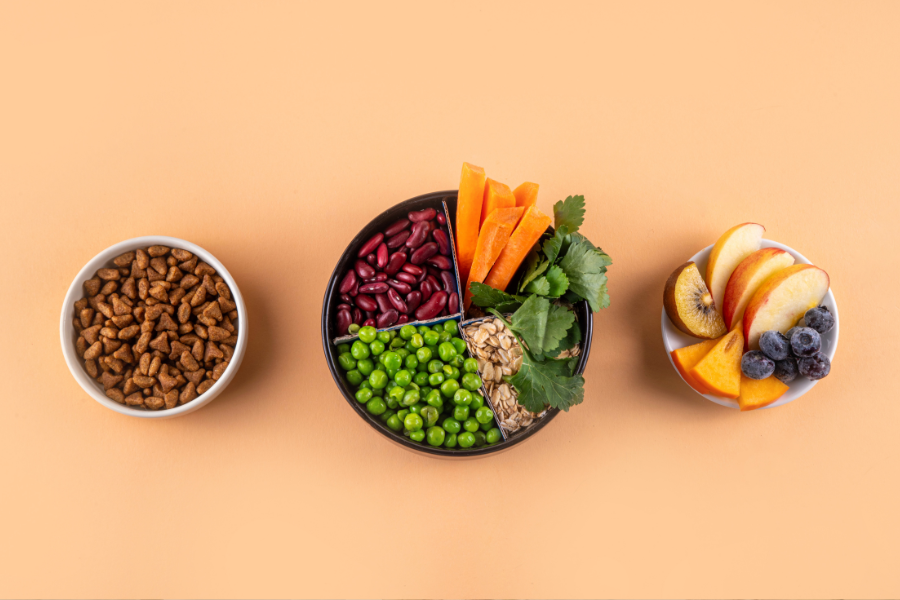
Pets require a balance of nutrients, including:
- Protein
- Healthy fats
- Carbohydrates
- Vitamins
- Minerals
- Water
Each nutrient plays a different role in supporting your pet’s health.
Protein helps maintain muscles and tissues, fats provide energy and support skin health, while vitamins and minerals contribute to immune function, bones and organ health.
Rather than focusing on individual “superfoods” or trends, it’s generally more helpful to look at the overall balance and suitability of the diet for your pet’s life stage and health needs.
Nutrition Needs Change Throughout Life
A growing puppy has very different nutritional requirements from a senior dog, just as kittens have different needs compared to adult cats.
Puppies and Kittens
Young pets need appropriate nutrition to support healthy growth and development.
This includes:
- Controlled growth rates
- Brain development
- Bone and joint support
- Immune system development
Feeding a diet designed for puppies or kittens helps ensure they receive appropriate nutrient levels during this important stage of life.
If you’ve recently welcomed a young pet into your home, Pet-n-Sur’s guides to a new puppy at home and a new kitten at home include practical care tips for early life stages.
Adult Pets
For adult pets, nutrition helps support:
- Healthy body condition
- Energy levels
- Muscle maintenance
- Skin and coat health
- Everyday wellbeing
Activity level is important here. A highly active working dog may need different calorie intake compared to a less active indoor cat.
Routine monitoring of weight and body condition can help owners make adjustments gradually if needed.
Senior Pets
As pets age, their nutritional needs often change again.
Older pets may benefit from diets that support:
- Joint health
- Healthy weight maintenance
- Digestion
- Cognitive function
- Mobility
Senior pets can also become more sensitive to sudden dietary changes, so gradual transitions are often important.
Learn more in Pet-n-Sur’s guide to caring for a senior dog.
Reading Pet Food Labels
Pet food packaging can sometimes seem complicated, but there are a few practical things owners can look for.
Look for Complete and Balanced Diets
Commercial pet foods labelled as “complete and balanced” are designed to provide appropriate nutrition when fed as directed.
This helps ensure pets receive essential nutrients consistently.
Consider Your Pet’s Specific Needs
Different pets may have different dietary requirements depending on:
- Age
- Breed size
- Activity level
- Allergies or sensitivities
- Weight management needs
- Existing medical conditions
Your veterinarian can help guide feeding choices if you’re unsure what’s appropriate for your pet.
The Importance of Healthy Weight Management
Maintaining a healthy body condition is one of the simplest ways to support long-term health.
Both overfeeding and underfeeding can affect wellbeing.
Pets carrying excess weight may face increased strain on:
- Joints
- Heart health
- Breathing
- Mobility
At the same time, sudden or restrictive dieting is not usually the answer. Small, sustainable adjustments tend to work best.
Helpful habits include:
- Measuring food portions
- Monitoring treats
- Encouraging regular exercise
- Scheduling routine vet checks
- Watching for gradual weight changes
Treats and Human Foods
Treats can absolutely be part of a healthy relationship with your pet. Training rewards, enrichment and occasional treats all have value when used in moderation.
However, not all human foods are safe for pets.
Some foods that are harmless to people can be dangerous for dogs and cats, including:
- Chocolate
- Grapes and raisins
- Onions and garlic
- Xylitol
- Certain nuts
- Alcohol
Pet-n-Sur’s guide to human foods not safe for dogs or cats explains common risks in more detail.
Changing Your Pet’s Food Safely
Sudden dietary changes can sometimes upset digestion, particularly in cats or sensitive pets.
When introducing a new food, gradual transitions are usually recommended. This often involves mixing increasing amounts of the new food with the current diet over several days.
Signs that a transition may be happening too quickly include:
- Vomiting
- Diarrhoea
- Loss of appetite
- Changes in stool consistency
Cats in particular can be sensitive to sudden food changes.
Pet-n-Sur’s guide to changing your cat’s food safely provides helpful advice for smoother transitions.
Nutrition and Skin Health
Nutrition can also influence skin and coat condition.
Poor coat quality, excessive shedding or irritated skin may sometimes be linked to dietary sensitivities or nutritional imbalance, although there can also be many other underlying causes.
A balanced diet that supports skin health may help maintain:
- Coat shine
- Skin barrier function
- Overall comfort
If your dog experiences ongoing itching or irritation, veterinary advice is important to identify possible causes.
You can learn more in Pet-n-Sur’s article on dog skin allergies.
Practical Feeding Tips for Everyday Life
Good nutrition does not need to feel overwhelming. Simple, consistent habits often make the biggest difference over time.
Helpful everyday practices include:
- Feeding appropriate portions
- Providing fresh water at all times
- Monitoring body condition regularly
- Avoiding sudden diet changes
- Limiting excessive treats
- Scheduling routine vet checks
- Adjusting diets as pets age
It’s also important to remember that every pet is different. What works well for one animal may not suit another.
The goal is not to feed “perfectly” every day — it’s to make thoughtful, informed choices that support your pet’s long-term wellbeing.
Nutrition as Part of Preventative Care
Preventative care involves many small decisions made consistently over time, including:
- Regular exercise
- Routine vet visits
- Dental care
- Parasite prevention
- Safe environments
- Balanced nutrition
Together, these habits can help support overall health and may reduce the likelihood of some preventable health problems developing later.
While unexpected illnesses and injuries can still happen, good nutrition remains one of the most important foundations of responsible pet ownership.
At Pet-n-Sur, we’re committed to supporting pet owners with practical information that helps them make confident decisions about their pet’s care.
To learn more about protecting your pet’s long-term health, explore Pet-n-Sur’s dog insurance and cat insurance options.