
Common Signs of Cat Urinary Problems
Cats can be good at hiding discomfort, which means urinary problems may first appear as subtle changes in behaviour.
Signs to watch for include:
- Visiting the litter tray more frequently than usual
- Spending a long time in the litter tray
- Straining or appearing uncomfortable while urinating
- Producing only small amounts of urine
- Urinating outside the litter tray
- Crying or vocalising while trying to urinate
- Excessively licking around the genital area
- Changes in the colour or smell of urine
- Blood in the urine
- Reduced appetite, hiding or unusual lethargy
If you notice cat blood in urine, persistent cat straining to urinate, or significant changes in litter tray behaviour, contact your vet promptly.
Urinary changes can sometimes be mistaken for behavioural issues, particularly when a cat begins urinating outside the litter tray. However, it is important to rule out a medical cause before assuming the behaviour is related to training or preference.
For more signs that something may be wrong, read our guide to checking your cat’s health at home.
Cat Not Peeing? Treat It as an Emergency
A cat not peeing despite repeatedly trying to urinate requires urgent veterinary attention.
A urinary blockage prevents urine from leaving the bladder. This can quickly cause serious complications as pressure builds and waste products accumulate in the bloodstream.
A male cat urinary blockage is particularly concerning because male cats have a longer, narrower urethra than females, making obstruction more likely.
Warning signs can include repeated unsuccessful trips to the litter tray, straining without producing urine, crying, restlessness, hiding, vomiting, weakness or a painful abdomen.
If you are unsure whether your cat is actually passing urine, it is safer to contact your veterinarian or an emergency veterinary clinic immediately rather than waiting to see whether the problem improves.
An inability to urinate is an emergency and should never be managed at home or left until the following day.
What Causes Urinary Problems in Cats?
There are several possible causes of urinary symptoms, and different conditions can produce very similar signs. This is why owners should not attempt to diagnose the cause at home.
Possible causes include:
Feline Lower Urinary Tract Disease
Feline urinary disease, often discussed under the broader term feline lower urinary tract disease (FLUTD), describes several conditions affecting the bladder and urethra.
One common condition is feline idiopathic cystitis, where the bladder becomes inflamed without an identifiable infection or other specific underlying cause. Stress can be an important contributing factor in some cats.
Urinary Tract Infections
A bacterial urinary tract infection can cause inflammation and discomfort.
Possible cat urinary tract infection symptoms include frequent urination, straining, discomfort, blood in the urine and urinating outside the litter tray.
However, these symptoms can also occur with other urinary conditions. A vet may need to test a urine sample to determine whether an infection is actually present.
Bladder Stones and Crystals
Minerals can sometimes form crystals or stones within the urinary system. These may irritate the bladder and, in some cases, contribute to a blockage.
Treatment depends on the type and location of the stones or crystals, so veterinary assessment is essential.
Urethral Blockage
Inflammatory material, crystals, stones or other material can obstruct the urethra and prevent a cat from urinating.
Again, this is a veterinary emergency, particularly in male cats.
Other health conditions can also affect how frequently or how much a cat urinates. Learn more about common cat health issues here.
How Will a Vet Assess Urinary Problems?
Your vet will usually begin by asking about your cat’s symptoms, how long they have been occurring and whether there have been changes in drinking, eating, behaviour or litter tray habits.
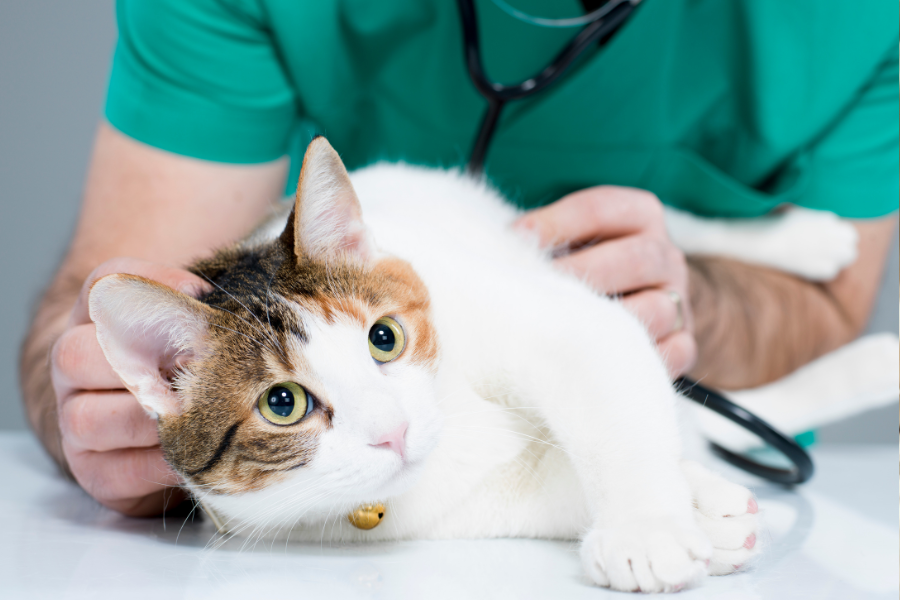
A physical examination may include checking the bladder and assessing your cat’s overall condition.
Depending on the symptoms, further investigation may include:
- Urinalysis
- Urine culture
- Blood tests
- X-rays
- Ultrasound
- Other diagnostic tests where appropriate
Treatment will depend entirely on the underlying cause and severity of the condition.
Because symptoms overlap between infections, inflammation, crystals, stones and blockages, veterinary testing is much safer than trying to determine the cause based on symptoms alone.
Regular health checks can also help identify changes before they become more serious.
Supporting Urinary Health at Home
While urinary problems require veterinary diagnosis and treatment, there are everyday steps that may help support urinary health and reduce certain risk factors.
Encourage Hydration
Good hydration helps support normal urinary function.
Some cats naturally drink very little, so try providing multiple water bowls in quiet locations around your home. Water fountains can encourage some cats to drink more, while wet food may also help increase overall moisture intake.
Any major increase or decrease in your cat’s drinking should be discussed with your vet.
Feed an Appropriate Diet
Nutrition can play an important role in urinary health, but there is no single diet that is suitable for every cat with urinary symptoms.
If your cat has experienced urinary problems, your veterinarian may recommend a specific diet based on their diagnosis. Avoid making major dietary changes or using urinary supplements as a substitute for veterinary care.
For general nutrition guidance, see.
Reduce Stress
Stress is associated with some feline urinary conditions, particularly feline idiopathic cystitis.
Cats often prefer predictable routines and access to quiet, secure spaces. Enrichment, regular play, scratching areas, hiding places and elevated resting spots can all help create a cat-friendly environment.
Changes such as moving house, introducing another pet or altering household routines may be stressful for some cats, so gradual introductions can help where possible.
Manage Litter Trays Carefully
A clean and accessible litter tray can help you monitor your cat’s urinary habits while encouraging normal toileting behaviour.
Keep trays clean and place them in quiet, easily accessible locations. In multi-cat households, providing multiple litter trays in different areas can reduce competition.
Pay attention when cleaning the tray. Changes in the number or size of urine clumps can sometimes provide an early clue that your cat is urinating differently.
Can Cat Urinary Problems Be Prevented?
Not every urinary condition can be prevented, but good everyday care may help support your cat’s urinary and general health.
Encourage adequate hydration, provide an appropriate diet, maintain a healthy body condition, reduce unnecessary stress and keep litter trays clean. Regular veterinary health checks are also important, especially if your cat has previously experienced urinary problems.
Most importantly, learn what is normal for your cat. Knowing their usual drinking habits, litter tray routine, appetite and behaviour can make it easier to recognise changes early.
Don't Give Human Medication
Never give your cat human painkillers, antibiotics or other medication unless specifically instructed by a veterinarian. Some human medications can be extremely dangerous or fatal to cats.
Urinary symptoms also should not be treated by simply giving leftover medication from a previous illness. Similar symptoms can have very different causes, and treatment should be based on your cat’s current veterinary assessment.
Preparing for Unexpected Veterinary Care
Urinary problems can sometimes require diagnostic testing, medication, hospitalisation or emergency treatment. Planning ahead can make unexpected veterinary expenses easier to manage.
If you're considering cat insurance, you can learn more about Pet-n-Sur's options here.
If you already have cover and need information about making a claim: https://www.petnsur.co.nz/claims/
You can also find answers to common questions about pet insurance here: https://www.petnsur.co.nz/faq/
If you're thinking about cover while your cat is still young and healthy, you may also find this guide useful.
When Should You Call the Vet?
Contact your vet if you notice persistent straining, frequent litter tray visits, discomfort, vocalising, blood in the urine, urinating outside the tray or a noticeable change in how much urine your cat produces.
If your cat repeatedly tries to urinate but produces little or no urine, seek veterinary attention urgently.
If your cat cannot urinate at all, treat it as an emergency — especially in a male cat.
When it comes to cat urinary problems, early veterinary assessment is always safer than waiting for symptoms to resolve on their own.