
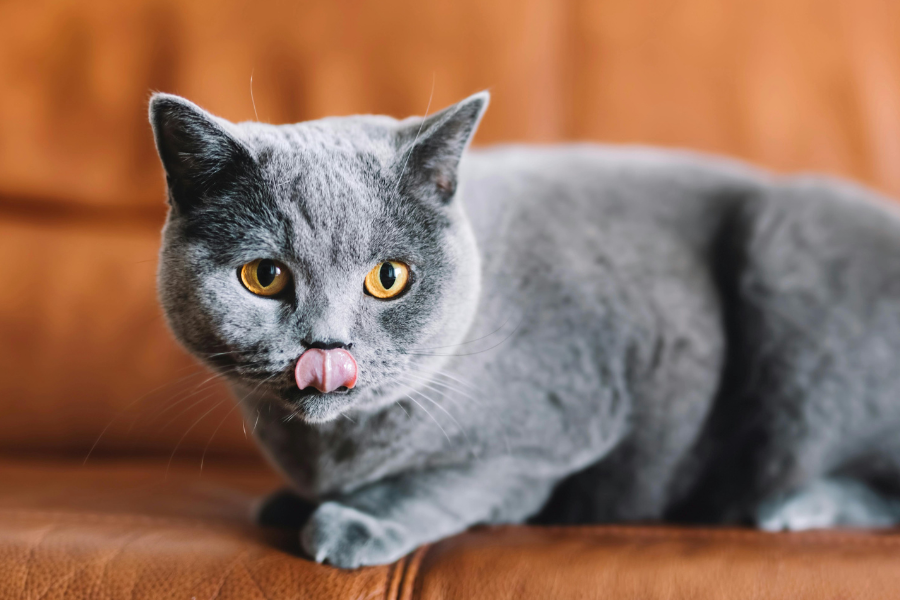
British Shorthair Personality and Temperament
The typical British Shorthair personality is calm, easy-going and fairly independent. They often enjoy being around their family without demanding constant attention.
Common British Shorthair temperament traits include:
- Calm and generally quiet
- Affectionate but independent
- Intelligent and observant
- Playful without being constantly energetic
- Usually adaptable to indoor living
Every cat is an individual, of course. Early experiences, socialisation and environment can all influence behaviour.
Understanding normal feline behaviour can make it easier to recognise your cat's individual preferences.
Are British Shorthairs Good Pets?
For many households, yes. British Shorthairs can make excellent companions, particularly for people looking for a relatively calm cat.
They can suit families, couples and single-person households and often adapt well to indoor life when provided with enough stimulation. Their independent nature may also suit owners who work during the day.
However, independent doesn't mean they can simply be left without interaction. They still need companionship, play, enrichment and regular care.
If you're preparing for a kitten, Pet-n-Sur's guide to bringing a new kitten home is a useful starting point.
Why Doesn't My British Shorthair Like Being Cuddled?
Some owners are surprised when their British Shorthair doesn't want to be carried or cuddled for long periods.
This doesn't necessarily mean your cat isn't affectionate.
Many British Shorthairs prefer sitting beside their owners rather than on them. They may follow you around the house, sleep nearby or seek attention on their own terms.
Respecting these boundaries can help build trust. Instead of forcing physical affection, allow your cat to choose when and how they interact with you.
British Shorthair Care
British Shorthair care is relatively straightforward, but the breed isn't completely maintenance-free.
Their dense coat benefits from weekly brushing to remove loose hair and monitor the skin underneath. During heavier shedding periods, additional brushing may be useful.
Basic care should also include:
- Nail trimming when required
- Dental care
- Clean litter facilities
- Regular parasite prevention
- Routine veterinary checks
- Appropriate vaccinations
For more advice on maintaining a healthy coat and skin.
You can also learn more about cat vaccinations here.
Feeding and Weight Management
Weight management is particularly important for British Shorthairs. Their solid build can make it harder to notice gradual weight gain, and their relatively relaxed personality may mean they aren't as active as some other breeds.
Feed an appropriate, nutritionally balanced diet based on your cat's age, size and activity level. Portion control is often more reliable than leaving unlimited food available.
If you need to change foods, do so gradually to reduce the chance of digestive upset. Pet-n-Sur explains how to transition safely here.
Your vet can also help you determine an appropriate weight and body condition for your individual cat.
Exercise and Indoor Enrichment
British Shorthairs may not spend all day racing around the house, but regular activity remains important for physical and mental health.
Try incorporating:
- Short daily play sessions
- Wand and chase toys
- Puzzle feeders
- Scratching posts
- Climbing spaces
- Window perches
Rotating toys can help keep things interesting without constantly buying new ones.
For more ideas, see Pet-n-Sur's indoor cat enrichment guide.
British Shorthair Health Problems
British Shorthairs are generally robust cats, but like any pedigree breed, they can have an increased risk of certain health conditions. This doesn't mean every British Shorthair will develop them.
Potential British Shorthair health problems can include hypertrophic cardiomyopathy (HCM), a condition affecting the heart muscle, as well as some inherited conditions within particular breeding lines.
Weight-related problems are another consideration. Excess weight can place additional strain on joints and contribute to other health concerns.
When choosing a kitten, look for a responsible breeder who is open about the health history of their cats and relevant screening.
Once your cat is home, routine veterinary checks provide an opportunity to monitor weight, teeth, heart health and general wellbeing.
Find out what to expect from your cat's annual check-up here.
When Should You Contact Your Vet?
Knowing your cat's normal behaviour makes it easier to notice changes.
Contact your vet if you notice ongoing changes such as:
- Reduced appetite
- Unexpected weight loss or gain
- Difficulty breathing
- Reduced activity
- Changes in drinking or toileting
- Persistent vomiting or diarrhoea
- Difficulty jumping or moving
- Significant behavioural changes
Cats can be subtle when they're uncomfortable, so changes don't have to look dramatic to be worth discussing with your vet.
British Shorthair Lifespan
The British Shorthair lifespan is commonly around the mid-teens, although individual cats may live for shorter or considerably longer periods depending on genetics, lifestyle and overall health.
Good nutrition, weight management, preventative veterinary care, dental care and a safe environment can all support healthy ageing.
As your cat gets older, their needs may change. Read Pet-n-Sur's tips for helping your cat age gracefully.
Advantages and Challenges of Owning a British Shorthair
British Shorthairs have plenty of appealing qualities. They're generally calm, adaptable and affectionate without being excessively demanding. Their temperament can make them particularly well suited to quieter households and indoor living.
There are responsibilities to consider too. Their dense coats require grooming, weight needs to be monitored carefully, and some cats may require veterinary investigation or treatment for breed-related health concerns.
British Shorthairs can also be relatively expensive to purchase from reputable breeders. You can read more about the factors affecting pedigree cat prices here.
Planning for a Healthy Life Together
A British Shorthair can be a wonderful companion for the right household. Understanding their independent nature, keeping them active, maintaining a healthy weight and staying consistent with preventative care can all contribute to a happy life together.
It's also sensible to plan for veterinary costs throughout your cat's life. Routine care can usually be budgeted for, while accidents and illnesses are less predictable.
Pet insurance is one option for preparing financially for unexpected veterinary treatment. Pet-n-Sur aims to provide straightforward information so owners can decide what level of preparation suits their circumstances.
Learn more about Pet-n-Sur cat insurance.
Or find answers to common pet insurance questions here.
You can also read more about insuring your cat from a young age.