Understanding Ragdoll Breed Health Issues
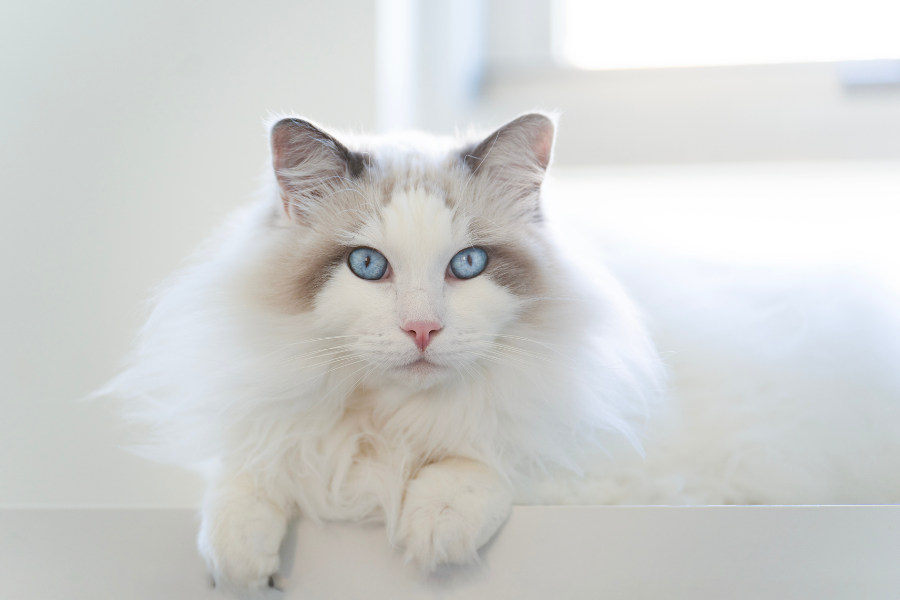
While Ragdolls are generally a robust breed, certain Ragdoll breed health issues are seen more frequently than in other cats. These often relate to genetics, diet, or lifestyle — especially since this breed tends to be less active and more laid-back.
Some of the most common Ragdoll health issues include:
- Hypertrophic Cardiomyopathy (HCM)
- Polycystic Kidney Disease (PKD)
- Obesity and Weight-Related Problems
- Hairballs and Digestive Upset
Let’s explore these issues, their symptoms, and what you can do to manage them.
1. Hypertrophic Cardiomyopathy (HCM) in Ragdolls
Hypertrophic cardiomyopathy (HCM) is a genetic heart disease and one of the most serious Ragdoll cats’ health issues. It causes the walls of the heart to thicken, reducing the heart’s ability to pump blood efficiently.
When left undiagnosed, HCM in Ragdolls can lead to heart failure or blood clots, particularly in older cats.
Symptoms of HCM
- Lethargy or sudden fatigue
- Difficulty breathing
- Loss of appetite
- Fainting or collapsing episodes
- Rapid heartbeat or coughing
Management and Prevention
While there’s no cure, early detection is crucial. Regular cardiac scans (echocardiograms) can identify changes before symptoms appear. Breeders should screen their cats for HCM, and pet parents should request heart monitoring every few years.
Insurance plans like Pet-n-Sur Cat Insurance offer comprehensive cover for hereditary conditions in cats, including heart disease, helping owners manage the costs of diagnostic tests, medications, and ongoing care.
2. Polycystic Kidney Disease (PKD) in Ragdolls
Another genetic condition, PKD in Ragdolls, causes fluid-filled cysts to develop in the kidneys, gradually impairing function. This disease is inherited and can be detected through DNA testing or ultrasound.
Symptoms of Polycystic Kidney Disease
- Increased thirst and urination
- Weight loss or poor appetite
- Lethargy and dehydration
- Vomiting or bad breath (due to toxin buildup)
Early diagnosis allows for better management — while polycystic kidney disease in Ragdolls isn’t curable, a vet can create a care plan that includes hydration support, special diets, and regular bloodwork.
Since PKD is a lifelong condition, treatment costs can add up. Insurance that covers chronic or hereditary issues can ease the financial burden, ensuring your Ragdoll receives consistent care.
Learn more about preventative health measures in our guide:
Preventative Pet Care → importance of early screening for chronic cat illnesses.
3. Weight and Obesity: The “Fat Ragdoll” Problem
Ragdolls have a naturally stocky build, but their easy-going nature often means they’re less active. Without proper exercise and diet control, many develop into a “fat Ragdoll”, which can increase the risk of diabetes, arthritis, and heart strain.
Tips for Maintaining a Healthy Weight
- Feed high-quality, portion-controlled meals.
- Encourage daily play with toys, climbing trees, or laser pointers.
- Limit treats and avoid free feeding.
- Schedule regular weigh-ins at the vet.
A healthy Ragdoll should have a visible waistline, and you should be able to feel — but not see — their ribs. Maintaining ideal body weight is one of the best ways to prevent secondary health problems and improve longevity.
4. Hairballs and Digestive Issues
Long-haired cats like Ragdolls often experience Ragdoll cat hairballs, especially during shedding season. While occasional vomiting is normal, frequent hairballs may signal digestive imbalance or excessive grooming due to stress.
Prevention and Care
- Brush your Ragdoll several times a week to reduce loose hair.
- Feed high-fiber cat food or use vet-approved hairball remedies.
- Encourage hydration — water helps digestion and reduces constipation.
- Watch for signs of blockage: no stool, loss of appetite, or lethargy.
If your Ragdoll is grooming excessively, it may also be a sign of allergies or skin irritation.
Routine Care Matters: Supporting Your Ragdoll’s Long-Term Health
Ragdolls thrive with routine care that focuses on prevention rather than crisis treatment. Here’s how to stay ahead of Ragdoll breed health issues:
- Regular Vet Check-Ups
Schedule annual or bi-annual exams to detect early changes in heart, kidney, or weight. - Dental Hygiene
Dental disease can lead to infection and systemic issues. Daily brushing or dental treats help. Learn more in The Importance of Dental Care for Your Pet → maintaining good oral health in cats. - Hydration and Diet
Choose a kidney-supportive, protein-balanced diet with plenty of fresh water. - Mental Stimulation and Exercise
Even gentle play promotes heart health and prevents obesity. See Why Do Cats Sleep So Much? → understanding healthy cat behaviour. - Hair and Skin Maintenance
Regular grooming keeps their coat glossy and prevents matting. - Preventative Screenings
Annual bloodwork, urine tests, and scans help detect kidney or heart issues before symptoms arise.
Healthy habits go hand in hand with financial preparedness — because even the most diligent care can’t prevent every condition.
The Financial Reality of Ragdoll Health Care
Treating Ragdoll cats’ health issues can be expensive, particularly when it involves chronic diseases. For example:
- Heart ultrasound and HCM monitoring: $250–$600 per session
- Kidney function tests and blood panels: $100–$300 each
- Long-term medication or prescription diets: $50–$150 per month
Without insurance, managing diseases like HCM in Ragdolls or PKD Ragdoll can quickly become a financial strain — especially when emergency treatments or hospital stays are needed.
That’s why cat insurance is such a valuable investment. Pet-n-Sur Cat Insurance provides comprehensive cover for hereditary conditions in cats, ensuring your Ragdoll gets the medical attention they need — without you having to worry about costs.
How Pet Insurance Makes a Difference
With Pet-n-Sur, your cat’s health plan can include:
- Diagnostic testing (ultrasound, bloodwork, genetic screening)
- Specialist referrals for cardiology or nephrology
- Medication and chronic disease management
- Emergency care or hospitalisation coverage
Beyond cost savings, it provides peace of mind — knowing you can make medical decisions based on what’s best for your cat, not just what you can afford.
For example, early diagnosis of hypertrophic cardiomyopathy in Ragdolls allows for better management, and insurance coverage ensures you can continue with the necessary follow-ups, scans, and medication without delay.
A Lifelong Bond Built on Care and Preparation
Owning a Ragdoll means enjoying one of the most affectionate, loyal feline companions. Their gentle nature and stunning looks make them truly special — but understanding Ragdoll cats’ health issues is part of being a responsible, loving owner.
By combining routine veterinary care, early screening, and a strong insurance plan, you can protect your Ragdoll from the risks of heart and kidney diseases, obesity, and hairball complications — ensuring they stay healthy and happy for years to come.
For more insights on maintaining feline wellness, explore:
Final Thought:
A Ragdoll’s trust and affection are priceless. Ensure their health is protected just as deeply with Pet-n-Sur Cat Insurance — because peace of mind is the greatest gift you can give to your feline friend.