The Growing Problem of Pet Obesity
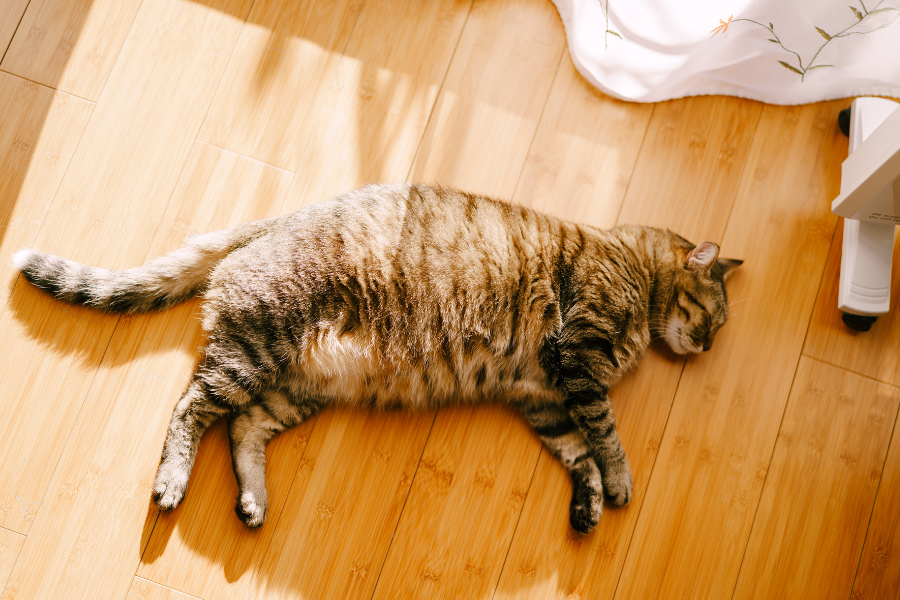
Veterinarians estimate that nearly half of New Zealand’s cats and dogs are overweight. Most owners don’t even realise it — after all, who can resist giving a treat to those big puppy eyes or that soft purring face?
Obesity in dogs and cats and obesity are more than just cosmetic issues. Excess weight puts strain on joints, organs, and the heart, while increasing risks of diabetes, arthritis, liver problems, and even cancer.
In short: your pet’s “love handles” could be costing them years of healthy life — and you, some hefty vet bills.
How to Tell If Your Pet Is Overweight
It’s not always easy to tell if you have an overweight dog or overweight cat, especially under all that fur. But here are a few at-home tests to check:
- Feel the ribs. You should be able to feel them easily under a thin layer of fat. If you can’t, it’s probably time to talk to your vet.
- Look from above. Your pet should have a visible waist (yes, even the fluffy ones).
- Check their energy levels. If “fetch” becomes “sit and watch you throw it,” or your cat would rather nap than chase toys, they might be carrying too much weight.
If you’ve ever thought, “My dog is overweight, what do I do?” or “My cat is fat — how do I help them lose weight?”, don’t panic. You’re not alone — and the good news is, pets respond incredibly well to lifestyle changes when owners stay consistent.
Why Pets Gain Weight
Just like us humans, pets gain weight when their calorie intake exceeds what they burn. But unlike us, they can’t count calories or join a gym (though that would be fun to see).
Common reasons include:
- Too many treats – Those small training snacks add up fast.
- Table scraps – That “just one bite” often contains more calories than their entire meal.
- Lack of exercise – Indoor cats and couch-loving dogs often burn far fewer calories than they eat.
- Neutering – Hormonal changes after desexing can reduce metabolism.
- Medical issues – Conditions like hypothyroidism can make weight loss difficult without veterinary help.
Health Risks of Obesity
Carrying extra kilos isn’t just uncomfortable — it can seriously impact your pet’s quality of life.
Here are the main health concerns linked to pet obesity:
- Arthritis and joint pain – Every extra kilo puts more pressure on bones and joints.
- Heart disease and breathing issues – Particularly dangerous for flat-faced breeds like Bulldogs or Persians.
- Diabetes – Common in overweight cats and dogs, requiring daily insulin and expensive vet visits.
- Liver disease – Fat accumulates in the liver, causing long-term damage.
- Shorter lifespan – Studies show overweight pets live up to two years less than their healthy peers.
If your vet has gently said, “My dog is obese” or “Your cat is overweight”, it’s not criticism — it’s a starting point for better health and longer cuddles.
The Financial Side: Vet Bills and Chronic Care
Obesity-related conditions can become costly to manage. A single arthritis treatment plan can cost several hundred dollars, and managing diabetes in cats often requires lifelong medication and monitoring.
Regular check-ups, lab tests, specialist diets, and even mobility aids can add up quickly. That’s why it’s worth exploring Pet Insurance, which provides cover for chronic health conditions linked to obesity — from arthritis management to diabetes treatment.
For dog owners, Dog Insurance can help cover weight-related issues in dogs, while cat owners can explore Cat Insurance for obesity-related issues in cats such as diabetes or liver problems.
Helping Your Dog Lose Weight
If you’re thinking, “My dog is overweight, what should I do?” — start small and steady. Crash diets don’t work for humans or pets.
Step 1: Visit your vet. They’ll check for underlying causes and recommend a healthy weight target.
Step 2: Adjust the diet.
Switch to a formula specifically designed for weight loss — your vet may recommend the best diet for overweight dogs, often higher in fibre and protein but lower in fat.
Step 3: Portion control.
Use a measuring cup or scale for meals. “A scoop” can vary wildly by hand!
Step 4: Exercise gradually.
Start with short walks or swimming sessions. Swimming is especially great for overweight dogs because it’s gentle on joints.
Step 5: Limit treats.
Try low-calorie snacks or use praise, play, or cuddles instead.
And remember — dogs live in the moment. They won’t hold a grudge if you trade biscuits for belly rubs.
Helping Your Cat Lose Weight
Cats can be trickier because, well, they have opinions. If you’re thinking, “My cat is fat,” you’re not alone — and you can help them slim down safely.
Step 1: Ditch free feeding.
Leaving kibble out all day encourages overeating. Feed set portions twice daily.
Step 2: Switch to a high-protein, low-carb diet.
Ask your vet about special formulas for obese cat weight management.
Step 3: Play more.
Encourage movement with interactive toys, laser pointers, or treat puzzles. (Don’t worry, watching your cat chase a feather counts as entertainment for both of you.)
Step 4: Track progress.
Aim for gradual loss — about 1–2% of body weight per week. Losing too fast can cause fatty liver disease.
If you want your fat cat to lose weight, patience and playtime are your best tools.
The Role of Preventative Care
Obesity often creeps up slowly. Preventative care — including regular vet checks, balanced diets, and exercise — can save you both heartache and money later.
Learn more about how early action helps in our blog:
How Preventative Care for Pets Can Save You Money.
And because rest, metabolism, and activity are all linked, check out:
- Why Do Cats Sleep So Much? – how sleep and activity balance affect your cat’s weight.
- The Science Behind Cat and Dog Sleep Patterns – understanding how movement and metabolism work together.
Real Talk: Why We Overfeed Our Pets
Let’s face it — we spoil our pets because we love them. Sharing food feels like sharing love. But the best way to show that love is by keeping them healthy.
Next time those pleading eyes appear, remind yourself: “Love isn’t extra snacks — it’s extra years together.”
It’s okay to laugh about it too. Every pet parent has thought, “My dog is obese but still looks cute.” The key is taking action now so they can keep wagging, zooming, and cuddling for years to come.
Key Takeaways
- Obesity in dogs and cats and obesity are increasingly common — but completely preventable.
- Extra weight leads to serious health problems like diabetes, arthritis, and heart disease.
- Prevention and early intervention save both lives and money.
- Comprehensive insurance — like Pet-n-Sur Pet Insurance — helps cover long-term care for obesity-related conditions.
Final Thought:
You don’t have to be perfect — just consistent. A few changes in feeding, exercise, and awareness can transform your pet’s health.
So next time you’re tempted to share that last chip or give an extra handful of kibble, remember: you’re not saying no — you’re saying “I want you to live longer.”
Protect their health (and your wallet) today with Pet-n-Sur Dog Insurance or Cat Insurance. Because a healthy pet is a happy pet — and that’s worth every walk, game, and treat saved for later.