Why Maine Coons Need Special Health Attention
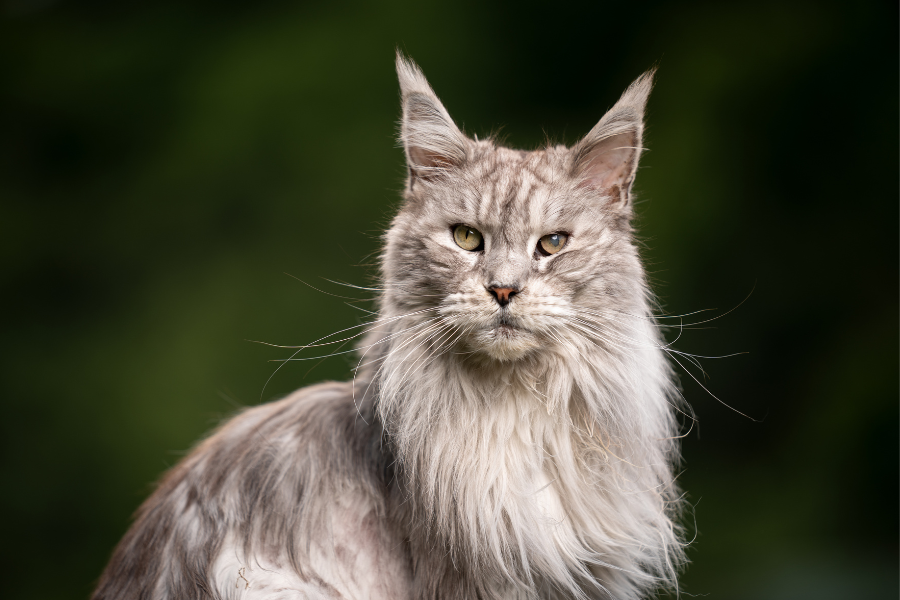
Maine Coons are a large, muscular breed with a thick double coat and a lifespan of around 12–15 years. While they’re often quite robust, their size and genetic background make them prone to certain hereditary conditions — particularly cardiomyopathy in Maine Coon cats, hip dysplasia, and urinary tract problems.
Because these issues can develop gradually and become chronic, early detection and preventive care are vital. Investing in insurance coverage that includes hereditary and chronic conditions can make managing these health challenges far more affordable in the long run.
Explore your options with Pet-n-Sur Cat Insurance — cover for hereditary and chronic conditions in cats.
1. Heart Disease and Cardiomyopathy in Maine Coon Cats
One of the most well-known Maine Coon genetic diseases is hypertrophic cardiomyopathy (HCM) — a condition where the walls of the heart become abnormally thick, reducing its ability to pump blood efficiently.
Hypertrophic cardiomyopathy in Maine Coon cats is often inherited and can develop silently over years before symptoms appear. Signs may include:
- Lethargy or reluctance to play
- Rapid or labored breathing
- Decreased appetite
- Fainting or collapse
- Sudden death (in severe, undetected cases)
While it can’t be cured, heart disease in Maine Coon cats can be managed through early diagnosis, medication, and regular cardiac monitoring. Vets often recommend annual heart screenings — including echocardiograms or genetic tests for breeding cats.
Typical vet costs for diagnosis and monitoring:
- Echocardiogram (heart ultrasound): $400–$800
- Annual check-ups and medication: $200–$600 per year
Because this is a chronic condition, it’s essential to have coverage under a plan like Pet-n-Sur Cat Insurance, which includes ongoing treatment for hereditary diseases such as cardiomyopathy.
2. Breathing Problems and Respiratory Concerns
While Maine Coons don’t have the flat-faced structure that causes breathing issues in some breeds, Maine Coon breathing problems can still occur due to heart disease, allergies, or respiratory infections.
Early symptoms include:
- Wheezing or noisy breathing
- Open-mouth breathing (outside of heat or exercise)
- Rapid breathing while resting
If your Maine Coon shows any of these signs, it’s crucial to see a vet immediately — breathing issues can signal underlying cardiac or pulmonary disorders.
Cost estimate:
- Diagnostic imaging (x-rays or ultrasound): $250–$600
- Treatment and follow-up care: $100–$300 per visit
Preventative health checks can identify these issues before they become emergencies. Read our guide on Preventative Pet Care to understand how early screening helps protect your pet — and your wallet.
3. Maine Coon Eye Problems and Entropion
Eye health is another area of concern for this breed. Some Maine Coons are born with entropion, a condition where the eyelid turns inward, causing lashes to rub against the eye’s surface. Left untreated, it can lead to corneal ulcers, chronic pain, and even vision loss.
Other Maine Coon eye problems include conjunctivitis and hereditary retinal atrophy. Watch for:
- Excessive tearing or discharge
- Squinting or rubbing the eyes
- Cloudiness or visible irritation
Treatment options and estimated costs:
- Eye drops or antibiotics: $60–$150
- Surgical correction (for entropion): $800–$1,200
Because entropion and other ocular conditions can be genetic, they’re often covered under comprehensive pet insurance plans like Pet-n-Sur Cat Insurance, which covers hereditary and chronic issues in cats.
4. Urinary Problems and Kidney Health
Large cats like Maine Coons are prone to urinary problems, including infections, bladder stones, and even chronic kidney disease as they age. Maine Coon urinary problems can cause discomfort and become life-threatening if untreated.
Symptoms include:
- Straining or crying during urination
- Blood in urine
- Frequent attempts to urinate with little output
- Licking the genital area excessively
Vet costs for urinary issues:
- Initial consultation and urinalysis: $100–$200
- Imaging or blood tests: $150–$400
- Long-term kidney support medication or diet: $50–$100/month
For chronic kidney disease or recurring urinary infections, early intervention is critical. Explore how proactive care saves costs in our blog:
How Preventative Care for Pets Can Save You Money.
5. Behavioral and Stress-Related Issues
Though known for their friendly, outgoing personalities, Maine Coons can sometimes experience behavior problems, especially if they’re bored or stressed. Common Maine Coon behavior problems include:
- Over-grooming or fur pulling
- Scratching furniture
- Aggression toward other pets
- Separation anxiety
Many behavioural issues stem from lack of stimulation or underlying discomfort (such as pain from arthritis or urinary problems). Regular health checkups can rule out medical causes before pursuing behavioural training.
6. Other Maine Coon Genetic Diseases
Beyond heart and eye conditions, Maine Coons may inherit or develop other genetic diseases, including:
- Hip dysplasia – causes pain, stiffness, and reduced mobility.
- Spinal muscular atrophy (SMA) – affects coordination and strength but doesn’t shorten lifespan.
- Polycystic kidney disease (PKD) – cysts form in kidneys, leading to renal decline.
Genetic testing (around $100–$200 per test) helps breeders and owners identify carriers early. With routine screening and preventative insurance coverage, these conditions can be managed before they progress.
The Financial Reality of Maine Coon Health Care
Because many health issues with Maine Coon cats are hereditary or chronic, the associated costs can add up quickly.
- Routine vet visits and annual bloodwork: $150–$300
- Genetic and cardiac screening: $300–$800
- Chronic medication (heart or kidney): $50–$150/month
- Emergency treatment or surgery: $1,000–$3,000+
A single unexpected diagnosis — such as cardiomyopathy in Maine Coon cats or entropion surgery — can easily cost hundreds to thousands of dollars. Having Pet-n-Sur Cat Insurance ensures you’re not forced to compromise on care when your feline friend needs it most.
Preventative Care: The Best Investment in Your Cat’s Health
The key to managing Maine Coon genetic diseases affordably is early intervention. Regular checkups, screening tests, and maintaining a healthy weight can help catch conditions before they become severe.
Learn why consistent veterinary monitoring matters in Preventative Pet Care — and how insurance can help offset costs.
Maine Coons are also known for their relaxed personalities and love of sleep, but lethargy can sometimes signal illness. Read more in our wellness-focused blogs:
Key Takeaway
Owning a Maine Coon is a joy — their affectionate nature and regal beauty make them extraordinary companions. But being a responsible owner means understanding their unique health risks. From hypertrophic cardiomyopathy to Maine Coon eye and urinary problems, many of these issues are manageable with early detection and ongoing veterinary care.
To safeguard your cat’s health — and your budget — invest in comprehensive coverage with Pet-n-Sur Cat Insurance — cover for hereditary and chronic conditions in cats.
Your Maine Coon deserves a lifetime of comfort, love, and protection — and the right insurance plan ensures just that.