
What Is Dog Obesity? (In Simple Terms)
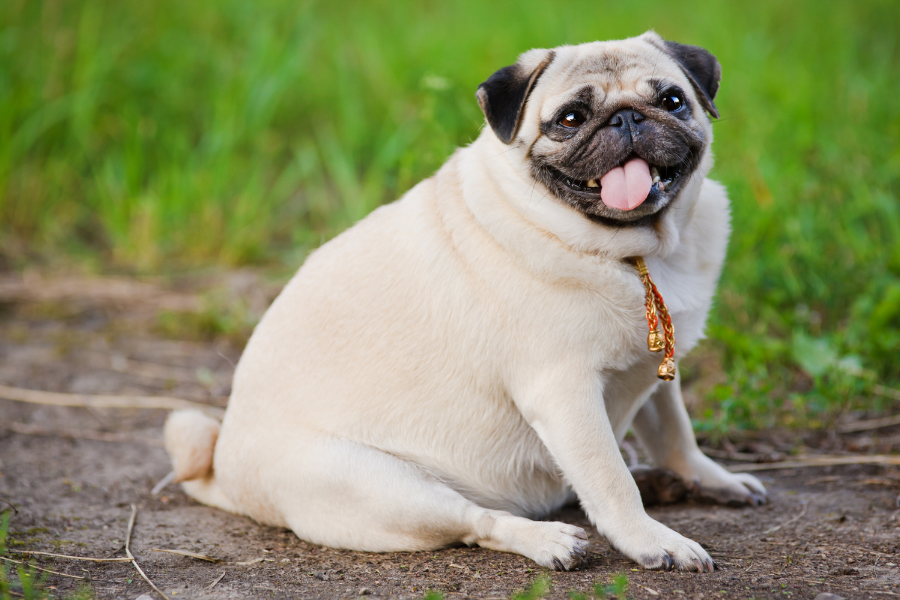
Dog obesity occurs when a dog carries excess body fat that negatively impacts their health, mobility, or quality of life. Most vets define an overweight dog as being 10–20% above their ideal weight, and obese dogs as 20% or more above ideal weight.
According to Dr Sarah Mitchell, BVSc (NZVA member):
“We’re seeing dog obesity more frequently in New Zealand, especially in adult and senior dogs. Even small amounts of extra weight can put real strain on joints, organs, and metabolism over time.”
The tricky part? Many owners don’t realise their dog is overweight — especially if weight gain happens slowly.
Is My Dog Overweight? How to Check at Home
If you’ve ever asked yourself “is my dog overweight?”, you’re not alone. Here are three vet-approved ways to check at home.
1. Feel the Ribs
Gently run your hands along your dog’s rib cage.
- ✅ You should be able to feel ribs easily with a thin layer of fat.
- ❌ If you need to press firmly or can’t feel ribs at all, your dog may be overweight.
2. Look From Above
Stand above your dog and look down.
- ✅ A healthy dog has a visible waist behind the ribs.
- ❌ If the body looks oval or straight-sided, weight may be an issue.
3. Look From the Side
From the side, your dog’s abdomen should tuck up behind the rib cage.
- ❌ A flat or sagging belly is a common sign of an overweight dog.
These checks align with the Body Condition Score (BCS) vets use — a 1–9 scale where 4–5 is ideal.
Why Dog Obesity Matters More Than You Think
Extra weight isn’t just about appearance. Dog obesity has serious, long-term consequences.
Common Health Risks Include:
- Joint and mobility problems (arthritis, cruciate ligament injuries)
- Diabetes and insulin resistance
- Heart and respiratory strain
- Reduced stamina and heat tolerance
- Increased surgical and anaesthetic risk
- Shortened lifespan (studies suggest obese dogs live up to 2 years less)
Dr Mitchell explains:
“We often see dogs present for lameness or breathing issues, and weight is a major contributing factor. The encouraging part is that even modest weight loss can significantly improve quality of life.”
Why Dogs Gain Weight (It’s Not Just Food)
Weight gain is rarely caused by a single factor. Common contributors include:
- Overfeeding (even “just a little extra” adds up)
- Too many treats or human food
- Lack of regular exercise
- Desexing (lower calorie needs post-surgery)
- Age-related metabolism changes
- Underlying medical conditions (thyroid disease, Cushing’s)
This is why sustainable weight loss focuses on small, consistent changes, not drastic cuts.
The Best Food for Overweight Dogs: What to Look For
Choosing the best food for overweight dogs doesn’t mean feeding less of the same food — it means feeding smarter.
Look for diets that are:
- Lower in calories but still nutrient-dense
- Higher in protein to preserve muscle
- Balanced with fibre to support fullness
- Vet-approved or labelled for weight management
Portion control matters just as much as food choice. Measuring meals — not guessing — makes a real difference.
Helpful reading:
Diet for Overweight Dogs: Practical, Realistic Changes
A sustainable diet for overweight dogs doesn’t involve starving your dog or cutting out joy.
Vet-aligned tips:
- Reduce daily intake gradually (5–10% at a time)
- Split meals into two or three smaller feeds
- Replace some treats with low-calorie options (carrots, cucumber)
- Avoid feeding table scraps
- Account for treats as part of daily calories
Explore safe food ideas here:
Exercises for Overweight Dogs: Start Slow, Build Up
When it comes to exercises for overweight dogs, more is not always better — consistency is.
Safe ways to increase activity:
- Short, frequent walks instead of one long walk
- Gentle hill walking
- Swimming (low impact, great for joints)
- Play-based movement (tug, sniffing games)
- Food puzzle toys to encourage movement
The goal is daily movement, not exhaustion.
For inspiration:
When to Work With Your Vet
If weight loss isn’t happening — or your dog gains weight despite changes — it’s time to involve your vet.
Your vet can:
- Rule out medical conditions
- Create a tailored weight-loss plan
- Recommend prescription diets if needed
- Monitor progress safely
Weight loss should be slow and steady — typically 1–2% of body weight per week.
The Financial Side of Dog Obesity
Carrying excess weight increases the likelihood of vet visits, medications, surgeries, and long-term treatment — especially for joints and chronic disease.
That’s why having comprehensive dog insurance matters.
With Pet-n-Sur Dog Insurance, you can access cover for:
- Vet consultations and diagnostics
- Treatment for joint disease or diabetes
- Ongoing care related to obesity-linked conditions
- Unexpected illness or injury
Explore cover options here:
Dog Insurance Plans
For a cost-conscious approach to health:
A Final Word (No Judgement, Just Support)
If your dog is overweight, you’re not alone — and you haven’t failed. Dog obesity is common, manageable, and reversible with compassion and consistency.
Small changes add up. A few grams less food, a few extra steps each day, and regular vet guidance can dramatically improve your dog’s comfort, mobility, and lifespan.
As Dr Mitchell puts it:
“Helping a dog lose weight is one of the kindest things an owner can do. It’s about adding life to their years — not just years to their life.”
And with the right insurance in place, you can focus on your dog’s wellbeing without worrying about the financial side of care.