

What Causes Spring Allergies in Dogs?
Just like people, dogs can react to substances in their environment. During spring, increased plant growth and pollen levels may trigger or worsen seasonal allergies in dogs.
Potential environmental allergens include:
- Grass pollen
- Tree pollen
- Weed pollen
- Mould spores
- Dust and dust mites
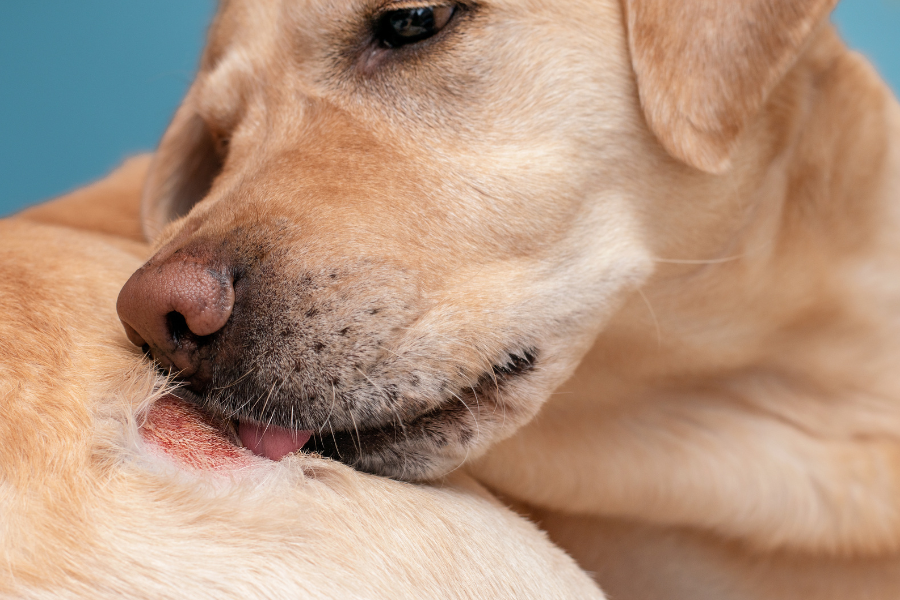
A dog pollen allergy doesn't necessarily cause the sneezing and watery eyes we typically associate with hay fever in people. In dogs, environmental allergies often show up through the skin.
Some dogs may only experience symptoms during particular seasons, while others have allergies that cause problems throughout the year.
Common Dog Allergy Symptoms
An itchy dog in spring may be experiencing an environmental allergy, particularly if the same pattern occurs each year.
Common dog allergy symptoms can include:
- Frequent scratching
- Licking or chewing paws
- Rubbing the face
- Red or inflamed skin
- Recurrent ear irritation
- Hair loss or thinning
- Skin that feels irritated or sensitive
- Excessive grooming
- Repeated skin or ear infections
Some dogs experience mild symptoms, while others may become uncomfortable enough that itching interferes with their sleep or normal activities.
For more information about dog skin allergies, visit:
https://www.petnsur.co.nz/blog/dog-skin-allergies/
Don't Assume Every Itch Is an Allergy
Although spring allergies in dogs are common, seasonal itching doesn't automatically mean your dog has a pollen allergy.
Similar symptoms may be caused by:
- Fleas or other parasites
- Bacterial skin infections
- Yeast infections
- Food allergies or sensitivities
- Ear infections
- Contact irritation
- Other skin conditions
Flea allergy dermatitis can cause significant itching in dogs that are sensitive to flea saliva, and sometimes only a small number of bites are needed to trigger a reaction.
Keeping parasite prevention up to date is therefore an important part of investigating and preventing itchy skin.
Learn more about flea and tick prevention here.
How Are Seasonal Allergies in Dogs Diagnosed?
If your dog develops persistent or recurring itching, it's worth speaking with your veterinarian rather than trying to diagnose the cause at home.
Your vet may examine your dog's skin, coat, paws and ears and ask questions about when symptoms started and whether they follow a seasonal pattern.
Depending on the symptoms, further investigation may be needed to rule out parasites, infections or other underlying conditions. In some cases, allergy testing or referral to a veterinary dermatologist may also be considered.
Keeping a simple record can be useful. Note when symptoms appear, where your dog has been walking, changes in diet or grooming products and whether similar problems occurred during previous springs.
How Are Dog Skin Allergies Treated?
Treatment depends on what's causing the symptoms and how severely the dog is affected.
Your veterinarian may recommend treatments to control itching and inflammation, manage secondary skin or ear infections, address parasites or reduce exposure to known allergens.
Some dogs with environmental allergies require ongoing management rather than a single treatment that permanently removes the problem.
The aim is usually to keep symptoms under control, maintain healthy skin and reduce uncomfortable flare-ups.
Avoid giving your dog human antihistamines, painkillers, creams or other medications unless your veterinarian has specifically advised you to do so. Products that are safe for people aren't automatically safe or appropriate for dogs.
How to Help a Dog With Allergies at Home
If you're wondering how to help a dog with allergies, there are several practical steps that may complement veterinary treatment.
After walks, gently wiping your dog's paws and coat may help remove some pollen and environmental material. Regularly washing bedding and vacuuming areas where your dog spends time can also help reduce allergens around the home.
You can also:
- Keep flea prevention current
- Check paws and skin regularly
- Follow your vet's recommended bathing routine
- Wash bedding regularly
- Avoid heavily fragranced grooming products
- Monitor ears for redness or irritation
- Keep track of seasonal flare-ups
Try not to rely on unverified home remedies. Dog skin allergies can have several causes, and applying oils, creams or homemade treatments may irritate the skin further or delay appropriate treatment.
When Should You See a Vet?
Occasional scratching isn't necessarily a cause for concern. However, veterinary advice is sensible when itching is persistent, suddenly becomes more intense or starts affecting your dog's normal behaviour.
Contact your vet if you notice broken or bleeding skin, significant hair loss, swelling, discharge, unpleasant skin or ear odours, repeated ear problems or signs that your dog is uncomfortable.
Dogs don't always communicate discomfort in obvious ways. Learn more about recognising subtle signs of pain here.
You can also read about other common dog health issues here.
Prevention and Long-Term Management
You can't necessarily prevent a dog from developing allergies, but good preventative care can make it easier to identify changes early and manage problems before they become more uncomfortable.
Regular health checks, parasite prevention, appropriate grooming and paying attention to changes in your dog's skin and behaviour all contribute to their overall wellbeing.
Read more about preventative pet care here.
For dogs with recurring seasonal allergies, keeping notes from year to year can also help you and your vet identify patterns and prepare for times when symptoms are more likely to appear.
Helping Your Dog Enjoy Spring Comfortably
Spring allergies in dogs can be frustrating, but itchy skin doesn't always mean something serious is wrong. The important thing is to recognise changes, avoid guessing at the cause and seek veterinary advice when symptoms persist.
With the right diagnosis and an appropriate management plan, many dogs with seasonal allergies can stay comfortable and continue enjoying everything a Kiwi spring has to offer.
Planning ahead for veterinary care is also part of responsible pet ownership. If you're considering dog insurance, it's worth reviewing policy terms, exclusions, waiting periods and how pre-existing conditions are treated before choosing cover.
Learn more about Pet-n-Sur dog insurance.
For answers to common questions about cover and policy conditions, visit FAQs.