

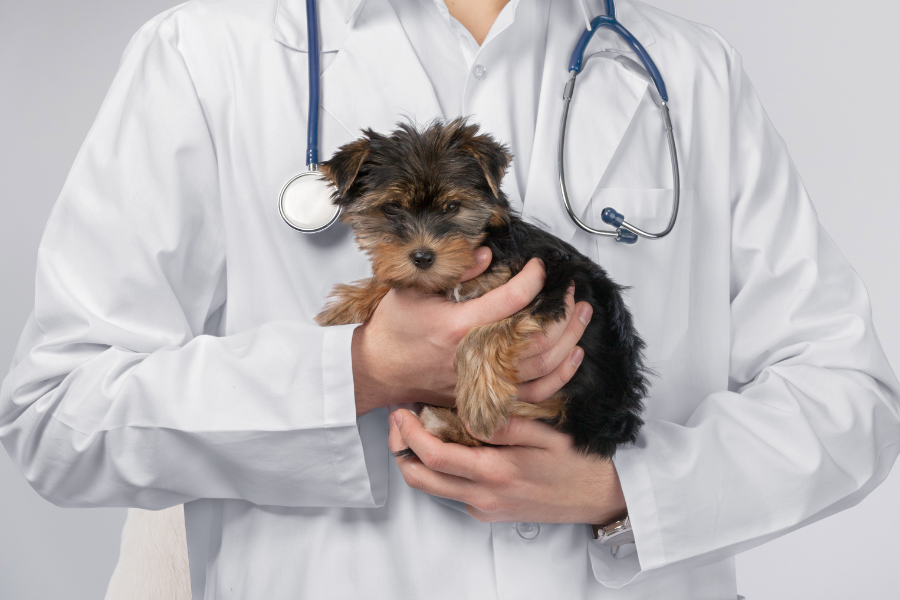
Why Are Puppy Vet Visits So Important?
Puppies change quickly during their first 12 months, and many important health milestones happen during this period.
Regular puppy vet visits allow your veterinarian to:
- Monitor growth and weight
- Complete puppy vaccinations
- Check overall health and development
- Discuss parasite prevention
- Identify health concerns early
- Provide nutrition advice
- Answer behaviour and training questions
- Discuss desexing and ongoing preventative care
Even if your puppy appears healthy, routine health checks play an important role in preventing problems before they become more serious.
If you've recently welcomed a puppy into your family, Pet-n-Sur's guide to settling in a new puppy is a helpful place to start.
Your Puppy's First Vet Visit
Ideally, your puppy should visit the vet within a few days of arriving home.
This first appointment allows your veterinarian to perform a full physical examination and establish a healthcare plan.
During the visit, your vet may:
- Check your puppy's eyes, ears and teeth
- Listen to their heart and lungs
- Examine joints and movement
- Assess body condition
- Discuss feeding and nutrition
- Review vaccination history
- Recommend parasite prevention
This is also a great opportunity to ask any questions you may have as a new owner.
For more helpful advice, explore Pet-n-Sur's puppy ownership guide.
Puppy Vaccinations NZ
One of the main reasons for regular puppy vet visits is completing your puppy vaccinations NZ schedule.
Vaccinations help protect puppies from several serious infectious diseases while their immune systems are still developing.
Although exact timing may vary depending on your veterinarian's recommendations, puppies typically receive a series of vaccinations during their first few months of life.
Your vet will recommend a puppy vaccination schedule based on factors such as:
- Your puppy's age
- Previous vaccinations
- Lifestyle
- Local disease risks
It's important to complete the recommended vaccination course before exposing your puppy to higher-risk environments.
Learn more about puppy vaccinations here.
You can also read Pet-n-Sur's guide to dog vaccines for additional information.
Puppy Health Checks Throughout the First Year
Vaccinations are only one part of your puppy's healthcare.
Routine puppy health checks allow your veterinarian to monitor your puppy's development as they grow.
These appointments may include checking:
- Weight gain
- Body condition
- Teeth and jaw development
- Eyes and ears
- Skin and coat
- Heart and lungs
- Joint development
- Overall behaviour
Because puppies grow so quickly, even small changes can provide valuable information about their health.
Parasite Prevention
Puppies are particularly vulnerable to internal and external parasites.
Your veterinarian will recommend an appropriate schedule for protecting against:
- Fleas
- Ticks (where relevant)
- Worms
- Heartworm (depending on location)
Keeping parasite prevention up to date is an important part of preventative healthcare and helps protect both your puppy and your household.
Read more about preventative pet care here.
Nutrition and Healthy Growth
Your puppy's first year is a critical period for healthy growth.
At each visit, your veterinarian can assess whether your puppy is growing appropriately and provide feeding recommendations based on breed, size and age.
Nutrition discussions often include:
- Choosing an appropriate puppy food
- Portion sizes
- Healthy weight gain
- Feeding frequency
- Treat recommendations
Proper nutrition supports healthy bones, muscles, organs and immune function.
Learn more about puppy nutrition here.
Behaviour and Socialisation
Your veterinarian can also provide guidance on behaviour and development.
Topics commonly discussed during puppy vet visits include:
- Toilet training
- Biting and chewing
- Sleeping routines
- Confidence building
- Socialisation
- Basic obedience
Early social experiences play an important role in helping puppies become confident adult dogs.
Read more about puppy socialisation here.
Discussing Desexing
Many owners also use first-year vet visits to discuss desexing.
The best timing can vary depending on factors such as:
- Breed
- Size
- Sex
- Lifestyle
- Individual health considerations
Rather than following a one-size-fits-all approach, your veterinarian can recommend a plan that suits your puppy.
Preparing for Emergencies
Even healthy puppies can experience unexpected accidents or illnesses.
Having a pet first aid kit at home can help you respond calmly while seeking veterinary advice.
A basic kit may include:
- Bandages
- Saline solution
- Gauze
- Tweezers
- Disposable gloves
- Emergency contact numbers
Pet-n-Sur's guide to building a pet first aid kit provides practical suggestions.
Planning Ahead for Your Puppy's Future
One of the benefits of regular puppy vet visits is that they encourage owners to think about long-term healthcare rather than only responding when problems occur.
Preventative care, routine check-ups and early intervention can all contribute to better health outcomes throughout your dog's life.
Planning ahead financially is also worth considering. While no owner expects their puppy to become sick or injured, unexpected veterinary treatment can sometimes be expensive.
Many owners choose to explore pet insurance while their puppies are young and healthy, before age-related conditions or health issues develop.
Learn more about why many owners consider puppy insurance here.
You can also read how preventative healthcare may help reduce future veterinary costs.
Building a Healthy Foundation
The first year is one of the most important stages of your puppy's life. Regular puppy vet visits provide far more than vaccinations—they help monitor growth, support healthy development and give owners expert guidance at every stage.
From completing your puppy vaccination schedule to discussing nutrition, parasite prevention and behaviour, each appointment helps build the foundation for a healthy adulthood.
At Pet-n-Sur, we believe preventative care is one of the best investments you can make in your puppy's future. Combined with regular veterinary care and thoughtful planning, it can help your newest family member enjoy a long, happy and healthy life.
Learn more about Pet-n-Sur dog insurance here.