
What Is a German Shepard Like?
German Shepherds are typically confident, alert and highly trainable dogs. They often form strong bonds with their owners and enjoy having a sense of purpose.
Most German Shepherds are:
- Intelligent and quick to learn
- Energetic and active
- Loyal and protective
- Responsive to training
- Best suited to engaged households
Because they are highly intelligent, they usually do best with regular mental stimulation and daily exercise.
Without enough activity, some dogs may become bored or develop unwanted behaviours such as barking, chewing or digging.
Size and Appearance
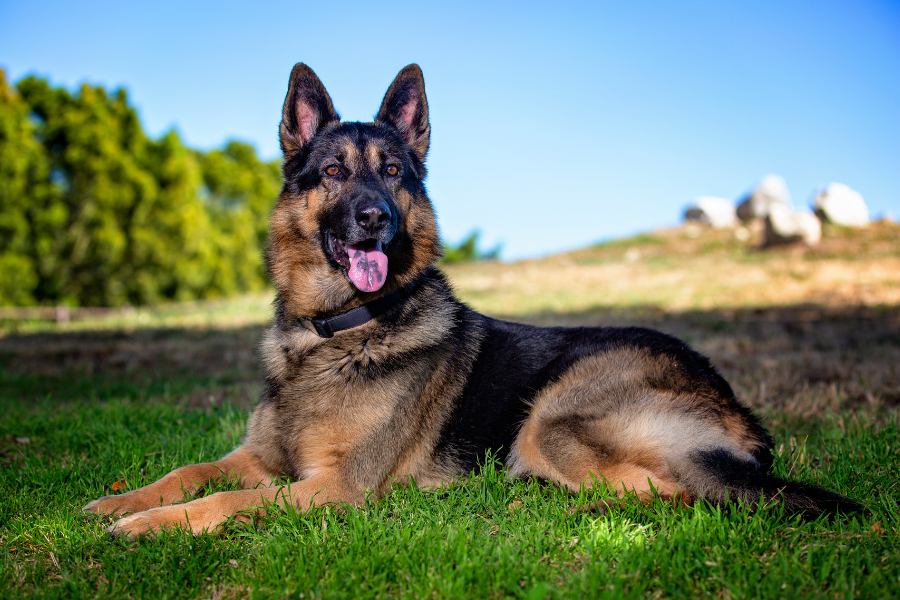
German Shepherds are medium-to-large dogs with an athletic build.
Most adults weigh between 22–40kg and stand around 55–65cm tall at the shoulder.
Their coat is typically thick and double-layered, with common colours including:
- Black and tan
- Black
- Sable
- Black and red
German Shepherds shed throughout the year, particularly during seasonal coat changes, so regular brushing is important.
Temperament and Personality
The german shepard is often valued for loyalty and willingness to work closely with people.
They can make excellent companions for active households, but they are not usually low-maintenance dogs.
German Shepherds generally need:
- Consistent training
- Regular exercise
- Early socialisation
- Ongoing mental engagement
Without proper socialisation, some dogs may become overly wary or reactive around unfamiliar people or environments.
Pet-n-Sur’s guide to socialising your dog offers practical advice for building confidence and good behaviour.
Some German Shepherds may also struggle if left alone for long periods.
Learn more about dog separation anxiety here.
Are German Shepherds Good Family Dogs?
A well-trained and properly socialised German Shepherd can be a very loyal family dog.
They often bond closely with household members and can be affectionate with children. However, supervision is important due to their size and energy levels.
Because they are naturally protective, early exposure to different people, dogs and environments is especially valuable.
German Shepherds are generally best suited to families willing to invest time into:
- Training
- Daily exercise
- Ongoing socialisation
- Consistent routines
Exercise and Mental Stimulation
German Shepherds are active dogs that need regular physical and mental exercise.
Most adult dogs benefit from:
- Long walks
- Structured play
- Obedience training
- Interactive toys
- Problem-solving activities
A backyard alone is usually not enough to meet their exercise needs.
Mental stimulation is equally important. Training sessions and enrichment activities can help prevent boredom and frustration.
Training a German Shepard
German Shepherds usually respond well to positive, consistent training.
Because they are intelligent and observant, they often learn quickly, but they also need structure and boundaries.
Training should begin early and focus on:
- Basic obedience
- Recall
- Lead manners
- Calm behaviour around people and dogs
- Confidence in different situations
Harsh training methods are generally unnecessary and may create anxiety or fear.
For practical beginner-friendly advice, read Pet-n-Sur’s guide to training your dog.
Common Health Concerns in German Shepherds
Like many large breeds, German Shepherds can be prone to certain hereditary and breed-related health issues.
Not every dog will develop these conditions, but awareness and preventative care are important.
Hip and Elbow Dysplasia
These joint conditions are relatively common in the breed and can affect mobility over time.
Signs may include:
- Limping
- Difficulty standing
- Stiffness after rest
- Reluctance to exercise
Maintaining a healthy weight and avoiding excessive strain during growth may help support joint health.
Arthritis
German Shepherds may also develop arthritis as they age, especially if joint issues are already present.
Early management and maintaining muscle strength can help improve comfort.
Digestive Sensitivities
Some German Shepherds are prone to digestive upset or sensitive stomachs.
Gradual diet changes and consistent feeding routines may help minimise problems.
Skin and Allergy Issues
Skin irritation and allergies are also relatively common.
Regular grooming and early veterinary attention can help manage flare-ups.
Learn more about common dog health issues here.
Weight Management Matters
Because German Shepherds are large, active dogs, excess weight can place additional pressure on joints and overall health.
Obesity may increase the risk of:
- Arthritis
- Reduced mobility
- Heart strain
- Lower stamina
Regular exercise, balanced nutrition and routine body condition checks are important.
Pet-n-Sur’s guide to checking if your dog is overweight can help owners monitor their dog’s condition.
Feeding and Nutrition
German Shepherds generally benefit from balanced diets suited to their size, age and activity level.
Owners should also be aware that some human foods can be toxic to dogs, including:
- Chocolate
- Grapes
- Onions
- Xylitol
Learn more about foods not safe for dogs here.
Fresh water should always be available, particularly after exercise or during warmer weather.
Dental Care for German Shepherds
Dental care is an important part of long-term health.
Without regular dental care, dogs may develop:
- Gum disease
- Tartar build-up
- Bad breath
- Oral discomfort
Brushing, dental treats and routine vet checks can help maintain healthy teeth and gums.
Read more about dental care for your pets here.
Is a German Shepard Right for You?
The german shepard can be a rewarding breed for owners prepared to meet their physical and mental needs.
They often suit people who:
- Enjoy active lifestyles
- Have time for training
- Want an engaged companion
- Are committed to ongoing care
They may not suit households looking for a low-maintenance dog.
Prospective owners should also consider long-term costs such as food, training, grooming and veterinary care. Financial preparedness is an important part of responsible ownership.
At Pet-n-Sur, we understand the commitment involved in caring for active breeds like German Shepherds. Our goal is to support pet owners with practical information and flexible cover options that help manage unexpected situations.
Learn more about Pet-n-Sur dog insurance here.
If you are still deciding whether a German Shepherd is the right fit, you may also find this guide to first-time dog owner breeds helpful.