Why Early Detection Is So Important
Unlike some other pets, rabbits can become unwell quite quickly once symptoms appear.
A rabbit that suddenly stops eating, becomes quiet or behaves differently should never be ignored. While not every change signals a serious problem, early veterinary assessment often leads to better outcomes.
Getting to know your rabbit's normal habits is one of the best ways to recognise when something isn't quite right.
Watch for changes in:
- Appetite
- Drinking habits
- Droppings
- Activity levels
- Grooming behaviour
- Weight
- Breathing
- Mobility
Routine observation makes every rabbit health check more meaningful because you'll notice subtle differences sooner.
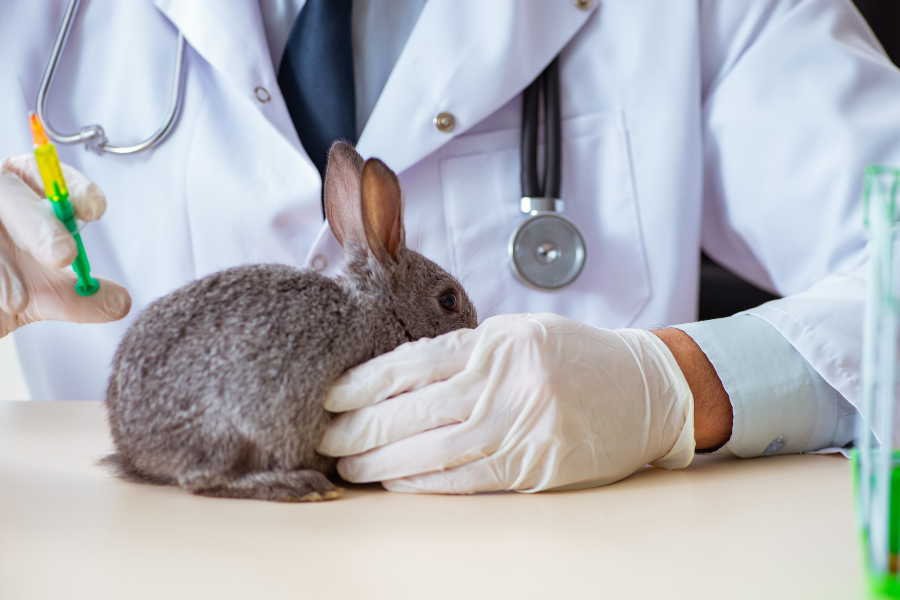
A general guide to assessing your rabbit's wellbeing.
Rabbit Dental Disease
Rabbit dental disease is one of the most common health conditions seen by veterinarians.
Unlike human teeth, rabbit teeth grow continuously throughout their lives. If the teeth do not wear down naturally through chewing, they can become overgrown and cause significant discomfort.
Signs of Rabbit Dental Disease
Watch for:
- Eating more slowly
- Dropping food
- Weight loss
- Wet fur around the mouth
- Reduced appetite
- Swelling around the jaw
- Reduced grooming
Dental problems often develop gradually, making regular observation especially important.
A diet rich in hay plays a major role in supporting healthy tooth wear.
Learn more about proper rabbit nutrition here.
Digestive Problems
Healthy digestion is essential for rabbits.
A healthy rabbit should eat regularly and produce a consistent number of droppings throughout the day.
Warning signs include:
- Reduced appetite
- Smaller droppings
- No droppings
- Bloated abdomen
- Sitting hunched
- Lethargy
Digestive slowdowns and gastrointestinal stasis can become serious quickly, so prompt veterinary attention is important whenever a rabbit stops eating or passing droppings.
Providing plenty of hay, fresh water and regular exercise helps support digestive health.
Rabbit Skin Diseases
Rabbit skin diseases can have several causes, including parasites, infections or underlying medical conditions.
Common signs include:
- Hair loss
- Flaky skin
- Scabs
- Excessive scratching
- Redness
- Thickened skin
Some skin conditions are relatively minor, while others require veterinary treatment.
Regular grooming and routine health checks can help owners identify skin changes early.
Learn more about grooming your rabbit here.
Parasites can also contribute to skin irritation. Read more about parasite prevention here.
Respiratory Disease
Respiratory infections are another example of common rabbit diseases.
Early symptoms may include:
- Sneezing
- Nasal discharge
- Watery eyes
- Noisy breathing
- Reduced appetite
Because respiratory illness can worsen quickly, veterinary assessment is recommended if these signs develop.
Keeping your rabbit's living area clean, dry and well ventilated may help reduce risk.
Kidney Disease in Rabbits
Kidney disease in rabbits is less common than some other health conditions but can occur, particularly in older rabbits.
Signs may include:
- Drinking more water
- Weight loss
- Reduced appetite
- Increased urination
- Lethargy
These symptoms can also be associated with other illnesses, so veterinary examination is needed for an accurate diagnosis.
Routine health monitoring becomes increasingly important as rabbits age.
Ear Problems
Healthy rabbit ears should be clean and free from excessive wax or discharge.
Potential warning signs include:
- Head shaking
- Scratching the ears
- Ear discharge
- Redness
- Holding the head to one side
Ear mites and infections can both cause discomfort and should be assessed by a veterinarian.
Mobility and Joint Problems
As rabbits get older, arthritis and joint stiffness may become more noticeable.
Signs can include:
- Difficulty hopping
- Reluctance to jump
- Less grooming
- Spending more time resting
- Reduced activity
Providing soft bedding, easy access to food and appropriate exercise can help support comfort.
Regular veterinary assessments can help identify mobility issues early.
The Importance of Routine Rabbit Health Checks
A regular rabbit health check doesn't have to be complicated.
Owners can spend a few minutes each day looking for changes in:
- Eyes
- Nose
- Teeth
- Coat
- Skin
- Weight
- Appetite
- Droppings
- Movement
Because rabbits often hide illness, these simple observations can make a significant difference.
Annual veterinary health checks are also an important part of preventative care.
Creating a Healthy Environment
Many rabbit health problems can be reduced through good husbandry.
Helpful practices include:
- Feeding plenty of quality hay
- Providing fresh water every day
- Keeping housing clean
- Allowing regular exercise
- Providing opportunities to dig, explore and forage
- Reducing stress where possible
Creating an appropriate environment supports both physical and emotional wellbeing.
Learn more about creating the ideal environment for your rabbit here.
Be Prepared for the Unexpected
Even with excellent care, rabbits can become sick or injured unexpectedly.
Keeping a pet first aid kit at home can be useful while arranging veterinary care.
It's also worth thinking about how you'll manage unexpected veterinary costs should they arise.
Learn more about pet insurance for rabbits here.
Small Changes Can Make a Big Difference
Many rabbit health problems begin with subtle signs that are easy to miss. By paying attention to your rabbit's normal behaviour, appetite and daily routine, you may notice early changes before they become more serious.
Regular rabbit health checks, preventative care and prompt veterinary attention all play an important role in supporting a long, healthy life.
At Pet-n-Sur, we're passionate about helping rabbit owners feel informed and prepared. Through practical education, routine preventative care and planning ahead for the unexpected, you can give your rabbit the best possible chance of a happy and healthy life.