

What Are Allergies in Cats?
An allergy occurs when a cat's immune system reacts to something that would normally be harmless. Potential triggers can include flea bites, certain foods and substances in the environment.
However, cat allergy symptoms can look similar to many other health conditions. Skin infections, parasites, pain and other medical problems can also cause changes in grooming or skin health, which is why veterinary assessment is important rather than trying to diagnose the cause at home.
Common Cat Allergy Symptoms
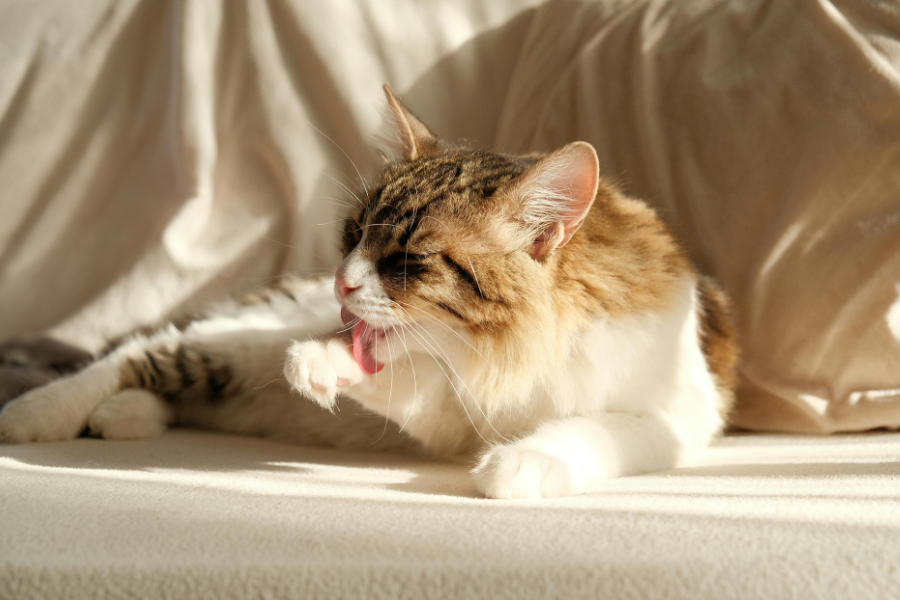
Cats can express discomfort differently from dogs or people. Some may scratch, but excessive grooming is often one of the more noticeable signs.
Possible symptoms include:
- Excessive licking or grooming
- Hair loss or thinning patches
- Red, irritated or inflamed skin
- Scabs or small crusty areas
- Frequent scratching
- Biting or chewing at the skin
- Recurring ear problems
- Skin infections
- Changes in behaviour due to discomfort
Because cats naturally spend a lot of time grooming, excessive grooming can initially be difficult to recognise. You may first notice shorter fur, bald areas or increased hair around the home.
Regularly checking your cat's coat, skin, eyes and ears can make subtle changes easier to spot. Read our guide to checking your cat's health at home.
What Causes Cat Skin Allergies?
There are several potential causes of cat skin allergies. Identifying the trigger isn't always straightforward, and some cats may be affected by more than one type.
1. Flea Allergies in Cats
Some cats are particularly sensitive to flea saliva. For these cats, even a small number of flea bites can trigger significant irritation.
Flea allergies in cats may cause intense grooming, scratching, scabs and hair loss, particularly around the lower back, tail and hindquarters.
Importantly, not seeing fleas doesn't necessarily rule them out. Cats are effective groomers and may remove evidence of fleas before owners notice them.
Consistent parasite prevention recommended by your veterinarian can therefore be an important part of both treatment and prevention.
2. Food Allergies in Cats
Food allergies in cats occur when the immune system reacts to a particular ingredient, usually a protein.
Symptoms may include persistent itching, skin irritation, overgrooming and sometimes gastrointestinal issues.
If your vet suspects a food allergy, they may recommend a carefully controlled elimination diet using a novel or hydrolysed protein. This generally needs to be followed strictly for a set period before foods are carefully reintroduced.
Simply switching between different supermarket foods may make it harder to identify the actual trigger, so dietary trials are best carried out with veterinary guidance.
3. Environmental Allergies in Cats
Environmental allergies in cats may involve substances such as pollen, grasses, dust mites or mould.
Some allergies may be seasonal, while others can cause symptoms throughout the year.
Unlike humans, cats with environmental allergies may not show obvious hay fever-like symptoms. Skin irritation, overgrooming and recurring ear or skin problems may be more noticeable.
Your vet can help determine whether an environmental trigger is likely and discuss appropriate management.
Is It an Allergy or Something Else?
An itchy cat doesn't automatically have an allergy.
Similar symptoms can occur with:
- Fleas, mites or other parasites
- Bacterial or fungal infections
- Ringworm
- Pain or discomfort
- Stress-related overgrooming
- Other skin conditions
Respiratory symptoms also shouldn't automatically be assumed to be allergies. Sneezing, eye discharge and nasal congestion can be associated with conditions such as cat flu and should be assessed appropriately.
Learn more about cat flu here.
Keeping vaccinations current can also help protect cats against several infectious diseases. Read more about cat vaccinations.
How Are Allergies in Cats Diagnosed?
There isn't always one simple test that identifies the cause.
Your veterinarian may begin by examining your cat's skin and coat and asking about their diet, parasite prevention, environment and when symptoms first appeared.
Depending on the symptoms, investigation may include ruling out parasites and infections, examining skin samples, conducting a food elimination trial or considering further testing.
Regular veterinary checks can also help identify subtle changes before they become more uncomfortable.
Find out what to expect from your cat's annual check-up.
How Are Cat Allergies Treated?
Treatment depends on the underlying trigger and severity of symptoms.
Your veterinarian may recommend a combination of:
- Reliable flea and parasite control
- A veterinary-supervised elimination diet
- Treatment for secondary skin or ear infections
- Medication to reduce itching or inflammation
- Environmental management
- Ongoing monitoring
Some allergies can be managed very effectively, although long-term management may be necessary if the trigger can't be completely avoided.
Avoid giving your cat human antihistamines, creams or other medications unless specifically advised by your vet. Products that are safe for people aren't automatically safe for cats.
Managing Allergies at Home
Once your vet has identified or narrowed down the likely cause, small changes at home may help keep your cat comfortable.
Depending on the allergy, this might include washing bedding regularly, maintaining flea prevention, following a prescribed diet carefully and reducing exposure to known environmental triggers.
It can also help to keep a simple record of symptoms. Note changes in grooming, food, parasite treatments and whether symptoms appear seasonally. Photos of affected areas can also help your vet monitor changes over time.
Indoor cats aren't completely protected from allergies, parasites or unexpected health problems either. You can read more about health and insurance considerations for indoor cats here.
Helping Your Cat Stay Comfortable
Allergies in cats can sometimes take patience to investigate, particularly because overgrooming, hair loss and irritated skin can have several possible causes.
Rather than trying to identify the trigger yourself, focus on noticing changes and seeking veterinary advice when symptoms persist or return. Early assessment can help address discomfort and reduce the chance of secondary skin problems developing.
Planning for routine and unexpected veterinary care can also make health decisions easier when your cat needs treatment. For information about Pet-n-Sur cat insurance, visit here.
For common questions about cover and how pet insurance works, visit FAQs.
Most importantly, know what's normal for your cat. Changes in grooming, coat condition or behaviour may be subtle, but they're often your cat's way of telling you something deserves a closer look.