
The History of the Akita Inu Dog
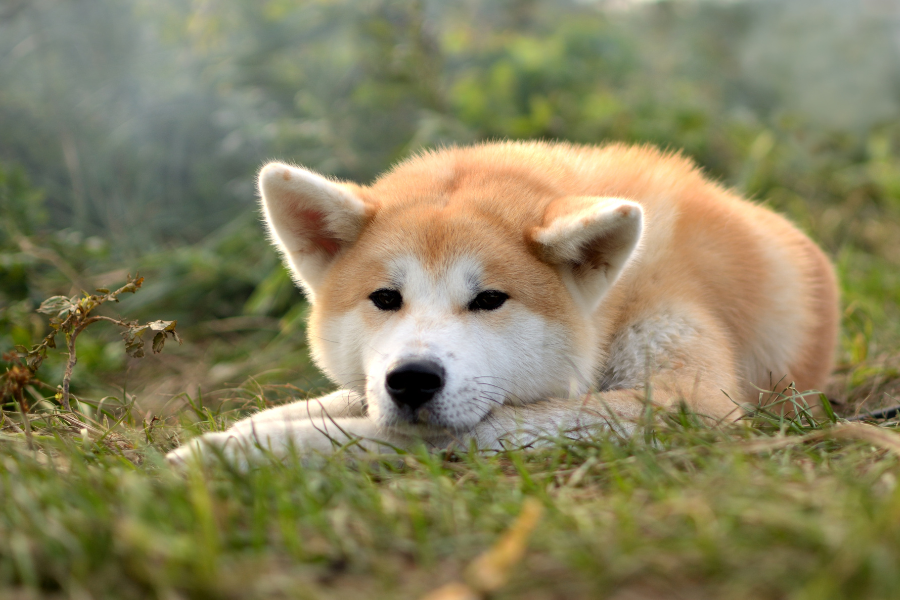
The Akita Inu dog originates from Japan, where it was originally bred for hunting large game such as boar and bear. The breed became a symbol of loyalty and courage, especially through the famous story of Hachikō, an Akita remembered for waiting for his owner every day at a train station even after his owner passed away.
Today, Akitas remain respected for their quiet strength, intelligence and unwavering loyalty.
There are generally two recognised types of Akitas:
- Japanese Akita Inu
- American Akita
Both share similar personality traits, though American Akitas are often larger and heavier in build.
Akita Dog Size and Appearance
The Akita dog size is considered large to giant, making them a powerful and impressive breed.
Typical size ranges include:
Gender Height Weight
Male Akita 66–71 cm 45–59 kg
Female Akita 61–66 cm 32–45 kg
Akitas have:
- A thick double coat
- Broad heads and strong jaws
- Curled tails
- Upright triangular ears
- Muscular, sturdy bodies
Their coats can come in several colours, including white, brindle, red, fawn and sesame.
Because of their heavy coat, Akitas shed significantly during seasonal coat changes. Regular grooming helps manage loose fur and supports skin health.
Akita Dog Temperament: Calm, Loyal and Independent
The Akita dog temperament is one of the breed’s defining features.
Akitas are often:
- Extremely loyal to their family
- Calm and observant indoors
- Quiet compared to many breeds
- Naturally protective
- Intelligent and independent thinkers
Unlike highly social breeds that love attention from everyone, Akitas are often reserved around strangers. They typically form very strong bonds with their immediate family while remaining cautious in unfamiliar situations.
Their calm confidence can make them excellent companions for experienced dog owners who appreciate a more independent dog personality.
However, that same independence also means Akitas may not always respond eagerly to commands simply to please their owner. They often need patient, consistent training built on trust and respect.
Are Akitas Good for First-Time Dog Owners?
In most cases, Akitas are not considered ideal for first-time dog owners.
Because they are:
- Strong-willed
- Physically powerful
- Protective by nature
- Sometimes selective with other dogs
…they require confident handling and ongoing training from an early age.
Potential owners should understand that Akitas are not naturally “easy” dogs. Without proper socialisation and boundaries, behavioural issues such as reactivity, guarding behaviour or stubbornness can develop.
If you are new to dog ownership, you may want to explore breeds better suited to beginners first:
Top 5 Breeds for First-Time Dog Owners
The Importance of Early Socialisation
Early socialisation is one of the most important parts of raising a well-balanced Akita.
Akita puppies should be gradually introduced to:
- Different people
- Calm dogs
- Various environments
- Everyday sounds and experiences
Positive exposure during puppyhood helps reduce fear and overprotectiveness later in life.
Because Akitas can naturally become territorial or wary of unfamiliar situations, consistent socialisation throughout adolescence is especially important.
Learn more about safe puppy socialisation here:
The Importance of Socialising Your Dog
Training an Akita Dog
Training an Akita requires patience, structure and consistency.
Akitas respond best to:
- Calm leadership
- Positive reinforcement
- Clear boundaries
- Short, engaging training sessions
Harsh corrections or inconsistent rules can damage trust and make training more difficult.
Key areas to focus on include:
- Loose-lead walking
- Reliable recall
- Calm greetings
- Impulse control
- Social behaviour around other dogs
Because Akitas are highly intelligent, they often learn quickly — but they may also decide when they feel like cooperating. Owners should remain patient and committed rather than expecting automatic obedience.
Helpful training guidance can be found here:
Basic Tips for Training Your Dog
Exercise and Living Requirements
Although Akitas are not hyperactive dogs, they still require regular exercise and mental stimulation.
Most adult Akitas benefit from:
- Daily walks
- Structured play
- Training activities
- Enrichment toys
- Secure outdoor space
They generally enjoy calm, purposeful activity rather than endless high-energy exercise.
Akitas can adapt to different living environments, but because of their size and strength, they are usually best suited to homes with:
- Secure fencing
- Space to move comfortably
- Owners who can physically manage a large dog
Apartment living may work for some Akitas if their exercise and mental needs are consistently met, but it requires dedicated owners.
Do Akitas Get Along With Other Pets?
This varies greatly between individuals.
Some Akitas can live peacefully with other pets when raised together from puppyhood, while others may prefer being the only animal in the home.
The breed’s strong guarding instincts and natural dominance can sometimes lead to challenges with:
- Same-sex dogs
- Smaller animals
- Unfamiliar pets
Supervision, training and careful introductions are essential.
Common Akita Health Issues
Like many large breeds, Akitas can be prone to certain inherited health conditions.
Some common concerns include:
- Hip dysplasia
- Elbow dysplasia
- Thyroid disease
- Progressive retinal atrophy (PRA)
- Autoimmune conditions
- Bloat (gastric torsion)
Regular vet check-ups, responsible breeding and preventative care all play an important role in supporting long-term health.
You can learn more about recognising early warning signs here:
Understanding Common Dog Health Issues
Caring for an Akita Throughout Life
Akitas often mature slowly compared to smaller breeds. As they age, their care needs may also change.
Senior Akitas may require:
- Joint support
- Weight management
- Softer exercise routines
- More frequent vet monitoring
- Dietary adjustments
Providing proactive care throughout each life stage can help improve comfort and quality of life.
For ageing dog care tips, visit:
How to Care for Your Senior Dog
Why Pet Insurance Matters for Akita Owners
Because Akitas are a large breed with potential hereditary health concerns, unexpected veterinary costs can quickly become expensive.
Pet insurance can help support owners with costs related to:
- Surgeries
- Diagnostic imaging
- Specialist care
- Emergency treatment
- Ongoing medical conditions
Just as training, exercise and preventative care are investments in your dog’s wellbeing, pet insurance can provide additional peace of mind throughout your Akita’s life.
Explore Pet-n-Sur’s dog insurance options here:
Dog Insurance
Is the Akita Dog Right for You?
The Akita dog can be an incredibly loyal, intelligent and devoted companion for the right owner. Their calm confidence and strong family bonds make them deeply rewarding dogs to live with.
However, they also require:
- Experienced handling
- Consistent training
- Ongoing socialisation
- Responsible ownership
- Commitment to preventative healthcare
Akitas are not typically suited to casual or inexperienced ownership. But for people prepared to invest the time, structure and understanding this breed deserves, the Akita can become a truly extraordinary lifelong companion.
Before choosing any dog breed, it’s important to honestly consider your lifestyle, experience level and ability to meet the dog’s physical and emotional needs. With the right care and support, an Akita can thrive as a calm, loyal and protective member of the family for many years to come.