

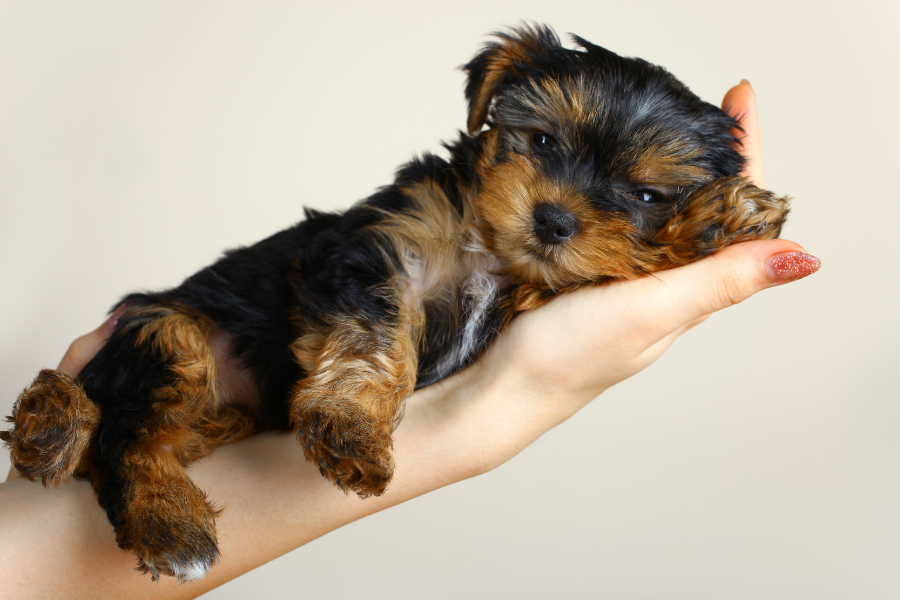
Before Your Puppy Arrives
Preparation can make the transition much smoother.
Before bringing your puppy home, try to have the essentials ready, including:
- Food recommended by the breeder or rescue organisation
- Food and water bowls
- Bedding
- A crate or safe sleeping area
- Collar and lead
- Puppy-safe toys
- Puppy pads if required
- Baby gates or barriers
Puppy-proofing your home is equally important.
Remove or secure:
- Electrical cords
- Toxic plants
- Cleaning products
- Small objects that could be swallowed
- Accessible rubbish bins
For more advice, read Pet-n-Sur's guide to bringing home a new puppy
The Journey Home
The trip home may be your puppy's first experience away from their mother and littermates.
Keep the journey as calm as possible.
Some puppies may sleep, while others may seem nervous or unsettled. Both reactions are normal.
Try to:
- Speak calmly
- Avoid loud music
- Keep handling gentle
- Provide a secure travel space
Remember that your puppy has experienced a significant change and may need time to adjust.
Introducing Your Puppy to Their New Home
Once you arrive home, allow your puppy to explore gradually.
Avoid overwhelming them with too many new experiences at once.
A few helpful approaches include:
- Limiting access to one or two rooms initially
- Allowing them to investigate at their own pace
- Providing a quiet retreat area
- Supervising interactions with children
Many new owners want to introduce their puppy to friends and family immediately, but a slower approach is often best.
The goal during the first 48 hours with a new puppy is helping them feel safe, not entertaining visitors.
Feeding During the First Few Days
It's common for puppies to eat less than usual during the first day or two.
The stress of moving can temporarily affect appetite.
To help your puppy settle:
- Continue feeding the same food they were already eating
- Stick to regular meal times
- Ensure fresh water is always available
- Avoid sudden dietary changes
If you plan to change foods, do so gradually over several days once your puppy has settled.
If your puppy refuses food for an extended period or appears unwell, contact your veterinarian.
Toilet Training Starts Immediately
One of the most useful bringing home a new puppy tips is to begin toilet training from day one.
Puppies learn through repetition and routine.
Take your puppy outside:
- After waking up
- After meals
- After play sessions
- Before bedtime
- Every few hours during the day
When your puppy toilets in the correct area:
- Offer praise
- Remain positive
- Be consistent
Accidents are normal and should be expected.
Avoid punishment, as this can create confusion and anxiety.
The 1st Night With a New Puppy
The 1st night with a new puppy is often one of the biggest concerns for new owners.
Many puppies have never slept alone before and may miss their littermates.
Some crying or restlessness is completely normal.
To help your puppy settle:
- Provide a comfortable sleeping area
- Keep the environment quiet
- Use familiar bedding if available
- Take them outside for a toilet break before bed
- Keep expectations realistic
Consistency is important. Decide where your puppy will sleep long-term and try to establish that routine from the beginning.
Most puppies settle more quickly than owners expect once they realise they are safe.
Building Trust and Bonding
The first two days are less about training commands and more about building trust.
Your puppy is learning:
- Who you are
- Where they live
- What routines look like
- Whether their environment feels safe
Simple activities such as:
- Gentle play
- Hand-feeding treats
- Calm interactions
- Spending time together
can all help strengthen your bond.
Try not to overwhelm your puppy with constant attention. Rest is just as important as interaction.
Introducing Family Members
If multiple people live in the household, introductions should be calm and controlled.
Encourage family members to:
- Sit quietly
- Allow the puppy to approach first
- Avoid crowding
- Use gentle voices
Young children should always be supervised around puppies.
If your household includes a baby, this guide may be helpful:
https://www.petnsur.co.nz/blog/how-to-bring-your-pets-and-new-baby-together/
Early Socialisation Matters
Socialisation helps puppies develop confidence around people, animals and new environments.
However, socialisation should not be confused with overwhelming exposure.
During the first few days, focus on positive experiences rather than quantity.
Examples include:
- Different household sounds
- New surfaces
- Calm visitors
- Gentle handling
As your puppy grows, structured socialisation becomes increasingly important.
Learn more about socialising your dog here
Beginning Basic Training
Training starts from the moment your puppy arrives home.
Simple lessons can include:
- Responding to their name
- Following you
- Sitting calmly
- Learning household routines
Keep sessions short and positive.
Puppies have limited attention spans, so a few minutes at a time is often enough.
For additional guidance, explore Pet-n-Sur's basic dog training tips.
Exercise: Less Is Often More
New owners are sometimes surprised to learn that young puppies don't need long walks.
Too much exercise can place unnecessary strain on growing joints.
Instead, focus on:
- Gentle play
- Short exploration sessions
- Supervised movement around the home
Learn more about exercising puppies safely here
Veterinary Care and Preventative Health
One of the first things new owners should organise is a veterinary visit.
Your veterinarian can:
- Check overall health
- Discuss vaccinations
- Review parasite prevention
- Provide feeding advice
- Answer questions about development
Learn more about pet vaccinations here
Preventative healthcare is one of the best investments you can make in your puppy's long-term wellbeing.
Planning Ahead
While most puppies grow into healthy adult dogs, unexpected illnesses and injuries can happen at any age.
Being prepared can help reduce stress if problems arise.
Some owners choose to:
- Build a pet first aid kit
- Establish a savings fund
- Explore insurance options
- Keep emergency veterinary contacts handy
Read more about building a pet first aid kit.
You can also learn more about why many owners choose dog insurance.
Patience Goes a Long Way
The first 48 hours with a new puppy are just the beginning of a lifelong relationship.
Your puppy doesn't need perfect training, perfect behaviour or a perfect routine straight away. What they need most is patience, consistency and a safe environment where they can learn and settle at their own pace.
At Pet-n-Sur, we understand that welcoming a new puppy is both exciting and challenging. Through good preparation, preventative healthcare and ongoing support, you can help your puppy grow into a happy, confident companion for years to come.
Learn more about Pet-n-Sur dog insurance.