

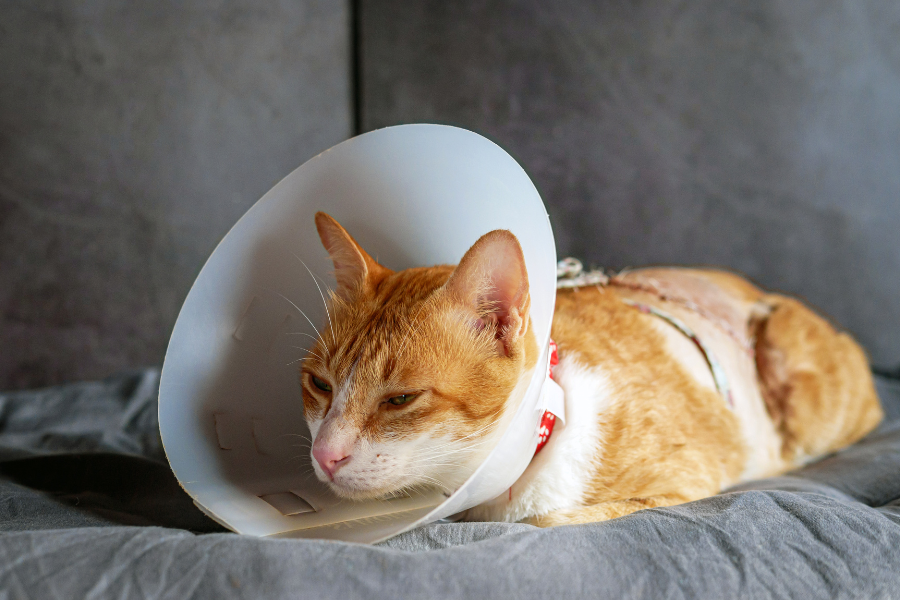
What Does “Desex” Actually Mean?
To desex a pet means surgically preventing them from reproducing. For male pets, this involves removing the testicles (castration). For females, it usually means removing the ovaries and often the uterus (spaying).
You’ll also hear desexing referred to as:
- Neutering
- Spaying
- Sterilisation
While the terminology differs, the goal is the same: preventing unwanted litters and supporting long-term health.
Why Desexing Matters in New Zealand
Desexing isn’t just a personal decision — it’s an animal welfare issue in New Zealand.
Every year, thousands of unwanted puppies and kittens end up in shelters or rescue organisations. Many are healthy, friendly animals who simply don’t have homes available. Desexing plays a critical role in reducing pet overpopulation and easing the strain on rescues, councils, and veterinary clinics.
According to Auckland-based veterinarian Dr Sarah Thompson (BVSc):
“Desexing is one of the most effective tools we have to reduce unwanted litters and improve overall pet welfare. It also allows owners to make proactive health decisions rather than dealing with preventable problems later on.”
Local councils also reflect this priority. Many councils encourage or require cat desexing as part of responsible pet ownership, and some have bylaws linking registration, roaming rules, or colony management to desexed cats. (Specific requirements vary by region, so always check your local council website.)
Is There a ‘Perfect’ Age to Desex?
The short answer: no.
There is no one-size-fits-all age to desex every pet. The ideal timing depends on several factors, including:
- Species (dog, cat, rabbit)
- Breed
- Adult size (small vs large breeds)
- Sex
- Health status
- Lifestyle (urban vs rural, indoor vs outdoor)
- Whether breeding is ever planned
Let’s break this down by pet type.
Desexing Dogs: What to Consider
Desexing a Dog — Timing Matters
When it comes to desexing dogs, size and breed play a major role.
- Small breeds often mature earlier and may be desexed safely from around 6 months.
- Large and giant breeds mature more slowly, and some vets recommend waiting until growth plates close (often 12–18 months).
This is especially relevant for joint health, as early desexing in large breeds has been linked to an increased risk of orthopaedic issues in some studies.
Dr Thompson explains:
“For dogs, especially larger breeds, we balance the benefits of desexing with growth and development. The right timing should always be discussed individually with your vet.”
For new dog owners, our guide New Puppy at Home
is a great starting point for understanding early health decisions.
Puppy Desexing: Early vs Delayed
Puppy desexing may be recommended earlier if:
- The dog is small or medium-sized
- There is a high risk of accidental breeding
- Behavioural management is a concern
Delayed desexing may be considered when:
- The dog is a large or giant breed
- Orthopaedic development is a priority
- The dog lives in a controlled environment
If you’re unsure, this article helps explore one common concern:
Will Desexing My Dog Change Its Behaviour?
Cat Desexing: Earlier Is Often Better
Unlike dogs, cat desexing is often recommended earlier — sometimes from 4–5 months of age.
Why? Because cats can:
- Reach sexual maturity very young
- Breed frequently
- Produce multiple litters per year
Undesexed cats contribute significantly to New Zealand’s stray and feral cat population. Early desexing helps prevent:
- Unwanted litters
- Roaming and fighting
- Spraying and marking behaviours
- Increased risk of injury or disease
If you’ve just adopted a kitten, our guide
New Kitten at Home covers early care decisions, including desexing timelines.
What About Other Pets?
Rabbits are also commonly desexed, particularly if they’re kept in pairs or groups. Desexing can reduce aggression, prevent reproductive cancers, and make bonding easier.
Again, timing depends on sex, size, and health — so always consult your vet.
Health Benefits of Desexing
Beyond population control, desexing offers real health benefits, including:
- Reduced risk of reproductive cancers
- Lower incidence of uterine infections in females
- Reduced roaming and related injuries
- Decreased aggression in some pets
- Lower stress levels once hormones stabilise
It’s also an important part of preventative pet care
What Does Desexing Cost in NZ?
One of the most common concerns owners raise is cost.
Desexing cost varies based on:
- Species
- Sex (female procedures are more complex)
- Size and weight
- Clinic location
As a general guide:
- Desexing dog cost NZ: often higher for large female dogs
- Cat desexing: usually more affordable, especially at community clinics
- Puppy desexing: costs may vary depending on timing and breed
While desexing is a planned expense, it can still be a financial stretch — especially alongside vaccinations, microchipping, and registration.
Understanding how pet health costs work long-term is helpful here:
Understanding Pet Insurance Costs
Where Does Pet Insurance Fit In?
While desexing itself is usually considered a routine procedure, pet insurance plays a key role in everything around it.
Insurance can help with:
- Complications or unexpected reactions
- Follow-up treatments
- Illnesses or injuries unrelated to desexing
- Long-term health conditions that desexing helps prevent
Having cover in place early means you’re prepared for the unexpected — not just the planned milestones.
What If I’m Considering Breeding?
Breeding should never be an accidental decision. It requires planning, resources, health screening, and a genuine understanding of responsibility.
If you’re unsure, this article is essential reading:
What to Consider Before Breeding Your Dog
The Takeaway: Talk to Your Vet, Not the Internet
Desexing is one of the most important health decisions you’ll make for your pet — but it shouldn’t be rushed or based on generic advice.
The best approach is:
- Talk openly with your vet
- Consider your pet’s breed, size, and lifestyle
- Balance welfare, health, and long-term wellbeing
- Plan financially and emotionally
As Dr Thompson puts it:
“Desexing is not just about reproduction — it’s about setting pets up for healthier, safer lives.”