

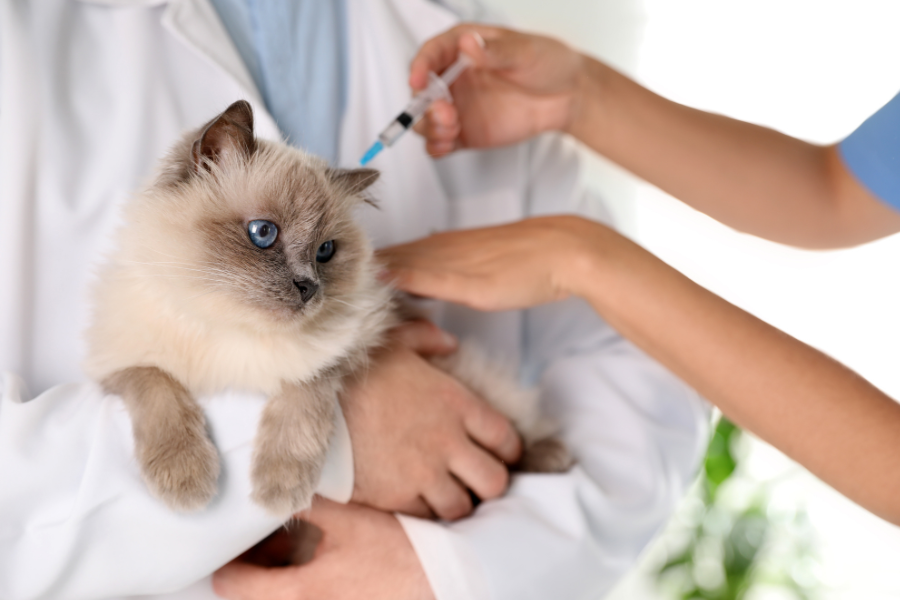
Why Pet Vaccinations Matter (Without the Scare Tactics)
Vaccinations protect pets against serious — sometimes fatal — diseases that still exist in New Zealand today. While not every pet needs every vaccine, core vaccinations form the foundation of responsible preventative care.
“Vaccination isn’t about over-medicating pets,” explains Dr Sarah McLeod, BVSc (NZ), companion animal veterinarian.
“It’s about preventing diseases that are far more dangerous — and far more expensive to treat — than the vaccines themselves.”
Diseases like parvovirus, distemper, calicivirus, and kennel cough can spread quickly and often strike hardest in young, elderly, or immune-compromised animals.
Vaccinating your pets isn’t just about their health — it also protects the wider pet community.
What Are ‘Core’ vs ‘Non-Core’ Vaccinations?
Understanding this distinction is key.
Core Vaccinations
These are recommended for most pets, regardless of lifestyle:
- Dogs:
- Parvovirus
- Distemper
- Hepatitis
- Cats:
- Feline enteritis
- Feline calicivirus
- Feline herpesvirus
These vaccines protect against diseases that are widespread, severe, and often life-threatening.
Non-Core (Lifestyle-Based) Vaccinations
These depend on your pet’s environment and routine:
- Kennel cough (dogs in kennels, daycare, grooming, training)
- Leptospirosis (dogs exposed to wildlife, farms, waterways)
- Feline leukaemia virus (outdoor cats or multi-cat households)
For a deeper dive, see:
Pet Vaccination Schedule: What to Expect
While schedules vary slightly by species and vet, a typical pet vaccination schedule looks like this:
Puppies & Kittens
- First vaccinations: 6–8 weeks
- Booster shots: every 3–4 weeks until 16 weeks
- Final puppy/kitten booster: around 12 months
Adult Pets
- Core vaccines: every 1–3 years (depending on vaccine type)
- Lifestyle vaccines: annually or as advised by your vet
“Modern vaccines last longer than many people realise,” says Dr McLeod.
“Annual check-ups are still important, but not every vaccine needs to be given every year.”
Helpful guide:
How Much Do Pet Vaccinations Cost in NZ?
One of the most common questions we hear is about pet vaccinations cost.
While prices vary by clinic and region, typical ranges in New Zealand are:
- Puppy or kitten vaccination visit: $70–$120
- Annual booster: $60–$100
- Kennel cough vaccination: $40–$70
Compared to the cost of treating preventable diseases — which can run into the thousands — vaccinations remain one of the most cost-effective forms of pet healthcare.
Does Pet Insurance Cover Vaccines?
This is another frequent question: does pet insurance cover vaccines?
In most cases, routine vaccinations themselves are not covered under standard pet insurance policies. That’s because they’re considered preventative care rather than unexpected illness or injury.
However — and this is important — pet insurance does cover many of the illnesses vaccinations help prevent.
For example:
- Treatment for parvovirus
- Hospitalisation for kennel cough complications
- Ongoing care for infectious diseases
Having comprehensive cover means that if your pet becomes unwell despite being vaccinated — or before completing their vaccination course — you’re protected from significant vet bills.
Learn more about cover options here:
Comprehensive Pet Insurance Coverage
Why Vaccinating Still Makes Financial Sense
Vaccinating your pets reduces:
- Emergency vet visits
- Hospitalisation costs
- Long recovery times
- Emotional stress for owners
“From both a medical and financial perspective, prevention is always kinder,” says Dr McLeod.
“Vaccines save pets from suffering — and owners from very difficult decisions.”
Insurance and vaccinations work together:
Vaccines lower risk, insurance protects you when the unexpected still happens.
Vaccinating Different Pets: Not Just Dogs & Cats
While dogs and cats get most of the attention, other animals also benefit from vaccination and insurance awareness.
Each species has different risks, and your vet is always the best person to tailor advice to your animal’s lifestyle.
Common Concerns Pet Owners Have (And Reassurance)
“Are too many vaccines harmful?”
Modern vaccination protocols are designed to avoid over-vaccination. Many vaccines now last several years.
“What if my pet has a reaction?”
Mild reactions (sleepiness, soreness) are common and short-lived. Serious reactions are rare — and treatable.
“My pet stays indoors — do they still need vaccines?”
Yes. Indoor pets can still be exposed through shoes, visitors, boarding, or vet visits.
How to Make the Best Decision for Your Pet
There’s no one-size-fits-all answer — and that’s okay.
The best approach is:
- Have an open conversation with your vet
- Understand your pet’s lifestyle and exposure risks
- Follow a sensible, evidence-based vaccination plan
- Pair prevention with comprehensive insurance cover
Final Thoughts from Michael
Vaccinations shouldn’t feel confusing, rushed, or intimidating. They’re about protecting the animals who trust us completely.
When you vaccinate your pets, stay informed about pet vaccinations NZ, and back that care with insurance, you’re doing more than ticking boxes — you’re building a long, healthy future for your companion.
If you’d like to explore protection beyond vaccinations, you can learn more here:
Pet Insurance Coverage
Because good pet care isn’t about fear — it’s about confidence, clarity, and compassion. 🐾