What Is a Raw Food Diet for Dogs?
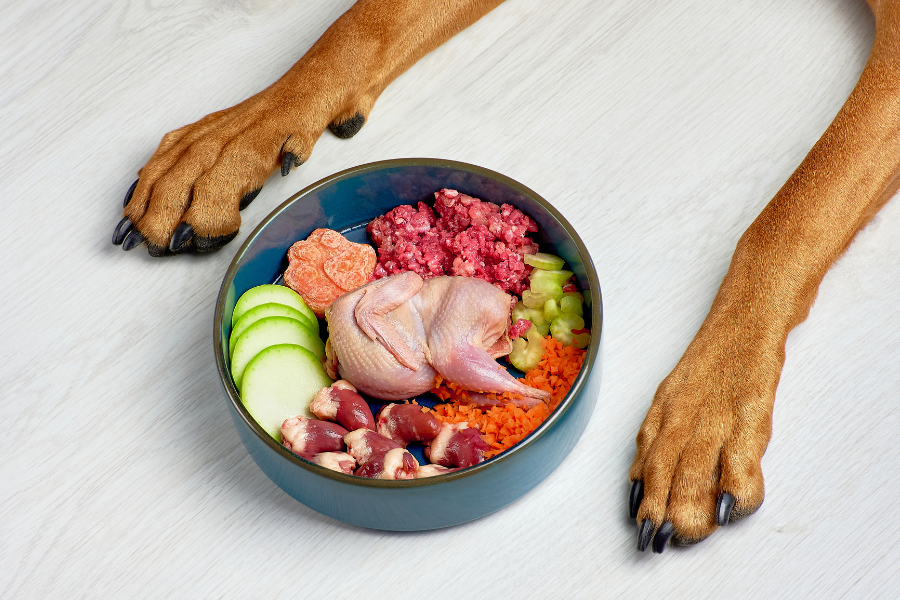
A raw food diet typically consists of uncooked animal products — including meat, bones, organs, and sometimes raw eggs or vegetables. Common forms include:
- Homemade raw meals (fresh or frozen)
- Freeze-dried raw dog food or dehydrated options
- Commercially prepared BARF diets (Biologically Appropriate Raw Food)
Owners choose these diets for many reasons — from believing it’s more “natural,” to managing allergies, or improving coat condition and digestion.
However, as with any diet, balance and safety are key. Unsupervised dogs and raw meat diets can lead to nutrient imbalances or even bacterial infections.
The Claimed Benefits of Raw Feeding
Advocates often highlight numerous benefits of raw feeding dogs, including:
1. Improved Coat and Skin
Many owners report shinier coats, reduced dandruff, and fewer skin allergies. High levels of omega-3s and unprocessed fats in raw meat may play a role in improving overall skin health.
2. Better Dental Health
Chewing raw meaty bones can help scrape away plaque and tartar, leading to fresher breath and healthier gums. However, this benefit depends heavily on the type of bones and how they’re prepared. Learn more about diet-related oral care in our article:
The Importance of Dental Care for Your Pet
3. Smaller, Firmer Stools
Raw diets often contain less filler and more digestible nutrients, resulting in smaller, less odorous waste.
4. Increased Energy and Lean Muscle
High-protein content supports muscle development and sustained energy, especially for active dogs.
5. Potential Allergy Relief
Dogs with sensitivities to processed foods or grains may benefit from simplified, fresh ingredients.
These are strong potential benefits, but they depend entirely on the quality, balance, and hygiene of the diet — areas where improper planning can backfire.
The Risks of Feeding Dogs a Raw Diet
Despite the appealing “natural” label, raw food diets for dogs are not without risk. Veterinary associations worldwide urge owners to proceed with caution — particularly around hygiene, nutrition, and bacterial exposure.
1. Bacterial Contamination
Raw meats can carry Salmonella, E. coli, and Listeria — all of which can make both dogs and humans sick. Puppies, elderly dogs, and immunocompromised pets are especially vulnerable. Improper handling or cross-contamination can also put family members at risk.
2. Nutritional Imbalance
Formulating a diet with the right ratio of protein, fat, calcium, vitamins, and trace minerals requires precision. Too much liver can cause vitamin A toxicity; too little calcium can lead to brittle bones.
If you’re making raw puppy food, ensuring proper nutrient balance is critical — puppies have even higher nutritional demands for growth.
3. Bone Hazards
Feeding bones — especially cooked or large raw ones — can cause tooth fractures, choking, or intestinal obstruction. Ground or soft bones are generally safer but still carry risk.
4. Digestive Upset
Some dogs struggle with transitioning to dogs and raw meat diets, leading to vomiting, diarrhoea, or nutrient malabsorption. If symptoms persist, consult your vet immediately.
5. Public Health Concerns
Raw feeding can increase bacterial shedding in dog feces, potentially exposing children or other pets to harmful pathogens.
If you’re unsure is it safe to feed dogs raw meat, talk to your veterinarian or a canine nutritionist before making changes.
What Do Vets Think About Raw Feeding?
Veterinarians’ opinions on raw feeding vary — some acknowledge its potential benefits when carefully managed, while others warn of preventable risks.
Dr. Emily Rhodes, BVSc (NZ), a small-animal veterinarian based in Auckland, notes:
“Raw diets can work well for certain dogs under professional guidance, but we often see complications when owners experiment without proper formulation. The biggest concerns are nutrient deficiency, bacterial infection, and dental trauma from bones. If you’re going raw, always consult a vet or animal nutritionist.”
This balanced approach reflects the broader veterinary consensus: raw feeding isn’t inherently bad — but it demands careful oversight and strict hygiene.
Nutritional Balance: What Raw Diets Should Include
For those considering dogs and raw food, a properly structured plan might include:
- Raw muscle meat – primary protein source.
- Raw meaty bones – for calcium and phosphorus (fed in moderation).
- Organ meats – such as liver and kidney, rich in micronutrients.
- Vegetables & fruit – blended or lightly cooked for fiber.
- Supplements – such as fish oil or powdered calcium when needed.
Keep in mind that not all raw meat dogs can eat is safe — avoid pork and wild game unless it has been properly frozen or processed, as they may contain parasites. Raw chicken diets for dogs are common, but must be handled with extra care due to Salmonella risk.
Raw Eggs and Other Additions
Raw egg dog food recipes are popular online, but raw eggs can carry Salmonella and contain avidin, which inhibits biotin absorption. Occasional feeding may be fine, but not daily unless cooked or pasteurized.
A better compromise for safety is freeze-dried raw dog food — which retains many raw nutrients while minimizing bacterial risks through dehydration or freeze-drying.
Financial Implications of a Raw Diet
Feeding raw can cost significantly more than kibble or canned food — both in ingredients and in time. High-quality meat, supplements, and storage can easily add up to several hundred dollars monthly for medium to large dogs.
Additionally, vet bills related to raw feeding mishaps — from bacterial infections to intestinal blockages — can be significant. Treatments may include antibiotics, x-rays, hospitalization, or even surgery.
That’s where pet insurance provides reassurance. With Pet-n-Sur Dog Insurance, you’ll have cover for illness or treatment resulting from dietary issues, including complications from raw feeding or other nutritional imbalances.
Learn how proactive health planning can save money long-term:
How Preventative Care for Pets Can Save You Money
Raw Feeding for Puppies
Raw puppy food presents unique challenges. Growing dogs need precise nutrient ratios to support bone, muscle, and brain development. Even minor imbalances can cause long-term health issues.
Puppies are also more susceptible to bacterial infections, so raw feeding should only be attempted under professional supervision. For many owners, it’s safer to wait until adulthood or use commercially balanced freeze-dried raw diets certified by pet nutrition experts.
Transitioning to a Raw Diet Safely
If you decide to try raw feeding:
- Consult a vet or pet nutritionist first.
- Start slowly by mixing small amounts of raw food with your dog’s current diet.
- Monitor stool, energy, and coat changes.
- Store and handle meat safely. Keep raw foods frozen until use and clean all surfaces thoroughly.
- Avoid cooked bones. They splinter easily and pose serious hazards.
- Schedule regular vet check-ups and bloodwork to ensure nutrient balance.
For ongoing wellness monitoring, read:
Preventative Pet Care
When to Seek Veterinary Help
Contact your vet immediately if your dog shows:
- Vomiting or diarrhea after eating raw meat
- Lethargy, fever, or loss of appetite
- Constipation or difficulty defecating (possible bone blockage)
- Cracked teeth or bleeding gums after chewing bones
- Persistent bad breath or oral pain — see our blog Your Dog’s Bad Breath Could Be a Warning Sign
Key Takeaway
Raw feeding is not a one-size-fits-all solution. While there are legitimate benefits of raw diets for dogs, such as improved coat, energy, and digestion, the risks of contamination, imbalance, and injury are equally real.
If you’re considering switching to a raw chicken diet for dogs, adding raw eggs, or exploring freeze-dried raw dog food, do so with professional guidance — and always monitor your dog’s health closely.
Pet-n-Sur is here to support your pet’s wellbeing no matter what feeding method you choose. Protect your companion today with Pet-n-Sur Dog Insurance — cover for illness, infection, and dietary-related treatment costs.
After all, a healthy diet deserves the peace of mind that comes with protection.