
What Is Dog Car Sickness?
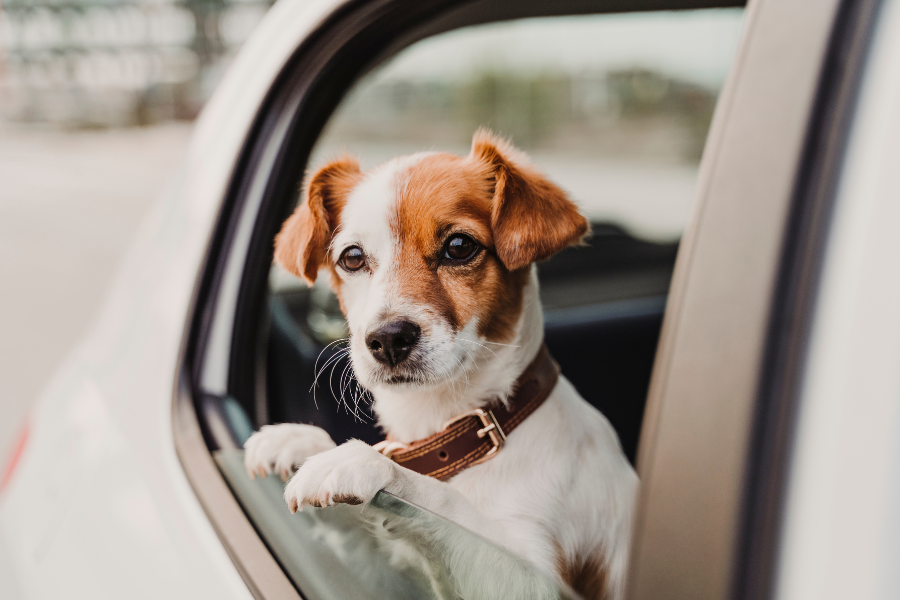
Dog car sickness (also called dog motion sickness) occurs when a dog feels nauseous or unwell during travel. While it’s especially common in puppies, adult dogs can also experience it — particularly if anxiety or past negative experiences are involved.
For some dogs, motion sickness is purely physical. For others, it’s a combination of balance issues, stress, and anticipation. Either way, it’s not something to ignore — repeated uncomfortable trips can lead to long-term anxiety around travel.
Common Dog Motion Sickness Symptoms
Recognising the early signs allows you to intervene before symptoms worsen. Dog motion sickness symptoms can include:
- Excessive drooling
- Lip licking or swallowing repeatedly
- Yawning or restlessness
- Whining, crying, or pacing
- Panting (especially when the car isn’t hot)
- Lethargy or shutting down
- Vomiting or retching
Some dogs may show subtle signs first, such as refusing to get into the car or trembling before the trip even begins. These early dog car sick symptoms are important — they’re your dog’s way of saying they’re uncomfortable.
Why Do Dogs Get Car Sick?
Understanding the cause of your dog’s discomfort is the first step toward helping them.
1. Inner Ear Development (Especially in Puppies)
Young dogs are particularly prone to dog motion sickness because their inner ear — which controls balance — isn’t fully developed. The good news is that many puppies grow out of it with time and gentle exposure.
2. Anxiety and Negative Associations
If your dog only travels by car to stressful places (like the vet), they may associate the car with fear. This emotional memory can trigger nausea even before the car starts moving.
3. Motion Sensitivity
Just like people, some dogs are naturally more sensitive to movement. Sharp turns, stop-start traffic, and winding roads can all contribute.
4. Heat and Poor Ventilation
Warm, stuffy cars can worsen nausea and discomfort. Overheating is also a serious risk, especially in summer. Learn how to spot warning signs in:
Recognising Heatstroke in Cats and Dogs
How to Help a Dog With Car Sickness
The goal isn’t just to stop vomiting — it’s to help your dog feel safe, calm, and comfortable during travel.
1. Start With Short, Positive Trips
Begin with very short journeys — even just sitting in the parked car with treats and praise. Gradually build up to short drives around the block before attempting longer trips.
Helpful guide:
Preparing Your Dog for a Road Trip
2. Don’t Travel on a Full Stomach
Feeding your dog 2–4 hours before travel can reduce nausea. Avoid heavy meals right before getting in the car, but don’t let them travel hungry for long trips.
3. Improve Airflow and Visibility
Fresh air can significantly help reduce dog motion sickness. Open a window slightly or use the air conditioner. Some dogs feel better when they can look forward rather than sideways.
4. Create a Calm, Secure Space
Use a crash-tested harness or travel crate to keep your dog secure. This reduces excessive movement and improves safety.
Read more here:
Safety Fur-st: Get Your Dog Ready for the Road
Five Tips for Keeping Your Dog Safe
Dog Car Sickness Remedies That Can Help
There’s no one-size-fits-all dog car sickness remedy, but many dogs benefit from a combination of the following:
Natural and Behavioural Remedies
- Gradual desensitisation to car travel
- Calming music or white noise
- Familiar bedding or a favourite toy
- Pheromone sprays designed for dogs
- Frequent breaks on longer trips
Dietary and Supplement Support
Some dogs benefit from vet-approved calming supplements or ginger-based products designed specifically for pets (never give human remedies without vet advice).
When to Consider Dog Motion Sickness Medication
If your dog’s symptoms are severe or persistent, your vet may recommend dog motion sickness medication. These can help reduce nausea or anxiety during travel.
Important reminders:
- Only use medication prescribed or approved by your vet
- Never give human anti-nausea drugs without guidance
- Medication should support — not replace — training and comfort strategies
If your dog vomits frequently, refuses to travel, or shows extreme distress, a vet visit is essential to rule out other health issues.
Special Considerations for Summer Road Trips
Hot weather can make dog car sickness worse and increase health risks. During warmer months:
- Travel early in the morning or evening
- Keep water easily accessible
- Never leave your dog unattended in a parked car
- Watch closely for overheating
Read more here:
Summer Road Trips With Dogs
Building Long-Term Confidence in the Car
Helping your dog overcome car sickness takes patience — but progress is possible.
Tips for long-term success:
- Make car rides lead to fun destinations (parks, beaches, adventures)
- Keep your own energy calm and positive
- Reward bravery, even small steps
- Stay consistent with routines and safety measures
Over time, many dogs learn that car rides aren’t something to fear — and some even start to love them.
The Hidden Costs of Travel-Related Illness or Injury
While dog car sickness is often manageable, travel can sometimes lead to unexpected vet visits — dehydration, stress-related illness, or injuries during sudden stops.
That’s where having a trusted dog insurance provider makes all the difference.
With Pet-n-Sur Dog Insurance, you can access cover that helps with:
- Vet consultations and treatment
- Illness or injury while travelling
- Diagnostic tests and medications
- Peace of mind when plans don’t go as expected
Explore your options here:
Dog Insurance Provider
Planning Ahead Makes All the Difference
The most important takeaway? Preparation is an act of care. By recognising dog motion sickness symptoms, adjusting travel routines, and supporting your dog emotionally and physically, you’re setting them up for calmer, happier journeys.
For more practical guidance, explore:
Final Thoughts
Your dog doesn’t understand why they feel unwell in the car — they only know they trust you to keep them safe. Whether your pup struggles with mild nausea or more intense dog car sickness, small changes can make a big difference.
With patience, compassion, and the right support — including reliable insurance — car travel can become less stressful and far more enjoyable for both of you.
Because every journey should feel like the start of an adventure, not a source of fear.